



How to Clean Sterling Silver: Restore Its Brilliance

What if the dark, cloudy veil on your heirloom turquoise ring isn't a sign of decay, but a quiet call to honor the craft? You want to see that silver glow again. Yet, you're likely terrified that a single drop of the wrong chemical might permanently scar a stone that has traveled through generations. It's a heavy burden to carry when you're unsure which DIY methods are safe for intricate, handcrafted designs. You deserve to know how to clean sterling silver without risking the soul of the piece.
These pieces are vessels of meaning: stories told in metal and earth. We promise to show you how to gently restore the radiant glow of your sterling silver treasures while protecting the delicate stones that hold your history. We'll explore the vital difference between soulful restoration and dangerous chemical shortcuts. You'll gain the confidence to maintain stone-set silver using artisan-approved methods. Together, we'll breathe new life into your collection; preserving the light of the past for the journey ahead.
Key Takeaways
- Learn the sacred art of how to clean sterling silver using gentle, artisan-led techniques that honor the metal's natural brilliance.
- Discover why a simple microfiber cloth and mild, phosphate-free soap are your most powerful allies for daily preservation.
- Master the elemental dance of the aluminum foil method to safely reverse heavy tarnish without the need for harsh, modern chemicals.
- Understand the delicate nature of porous stones like turquoise and why protecting their "breath" is vital to maintaining their vibrant spirit.
- Adopt the "Last On, First Off" ritual and intentional storage habits to shield your heritage treasures from the elements.
Understanding the Patina: Why 925 Sterling Silver Tarnish Happens
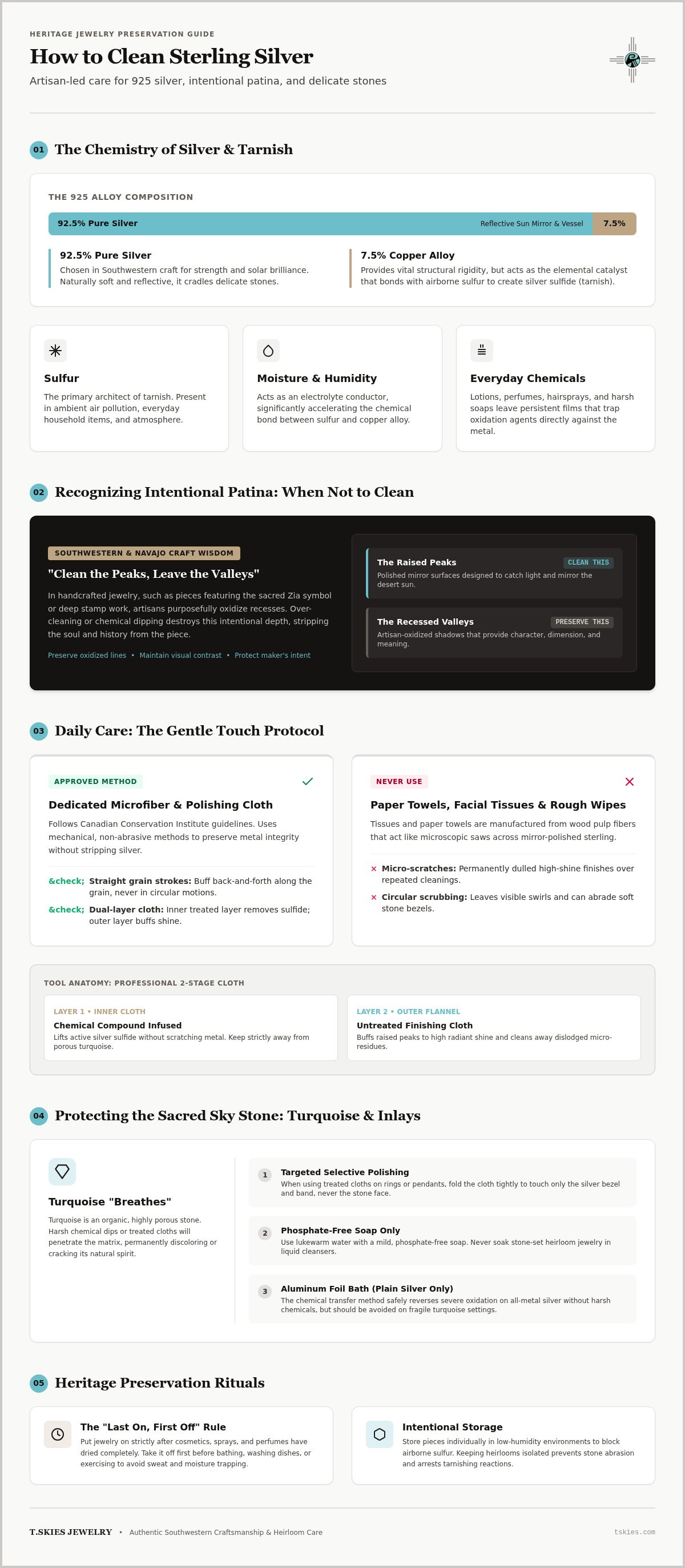
Every piece of sterling silver is a living story. It isn't pure silver; it's a careful marriage of elements. To understand the sterling silver alloy composition and tarnishing, we must look at the 7.5% copper that strengthens the 92.5% pure silver. This copper is the bridge between the metal and the world. It reacts with sulfur in the air to create silver sulfide. This is the dark veil we call tarnish. It's an elemental dance, a reaction to the very air we breathe.
The environment around us is filled with invisible catalysts. Humidity acts as a conductor, while skin oils, perfumes, and even certain soaps accelerate this transformation. When you wonder how to clean sterling silver, you're really asking how to reset this natural dialogue between your jewelry and the world. It's about revealing the light that's been temporarily hidden by the elements.
- Sulfur: The primary architect of tarnish, found in air pollution and household items.
- Moisture: High humidity acts as an electrolyte, speeding up the chemical reaction.
- Chemicals: Lotions, hairsprays, and perfumes leave films that trap tarnish-causing agents.
The Science of the Sky Stone and Silver
Sterling silver is the chosen vessel for Southwestern craft because of its strength and its ability to reflect the sun. It cradles the sky stone with a protective embrace. Polished surfaces catch the light, while textured valleys wait for the air to settle. Tarnish is a natural evolution of the metal, not a permanent defect. In handcrafted turquoise jewelry, the cool blue of the stone finds its perfect contrast in the bright mirror of well-kept silver. The metal breathes with the wearer, changing and responding to the journey you take together.
Intentional Patina: When Not to Clean
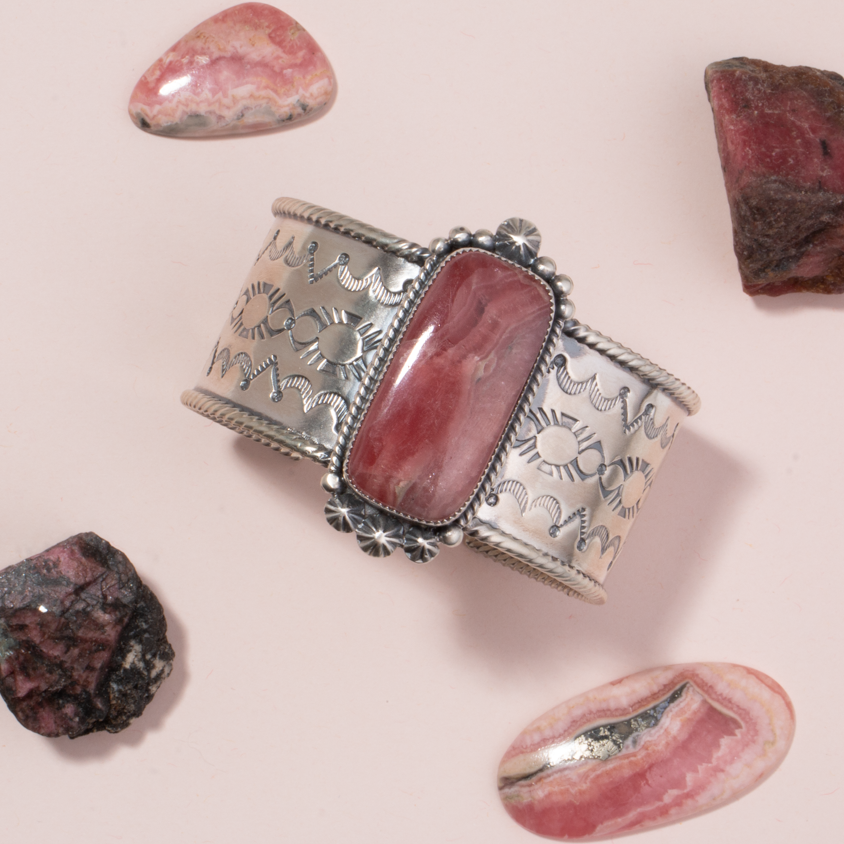
Not all darkness is a sign of neglect. In traditional Navajo jewelry, artisans often use specific techniques to create deep, intentional shadows. These dark recesses provide the soul and depth that make the silver work pop. If you over-clean, you risk stripping away the character the maker intended. You might lose the "living" quality of the piece. Identifying how to clean sterling silver requires a discerning eye for these artistic choices.
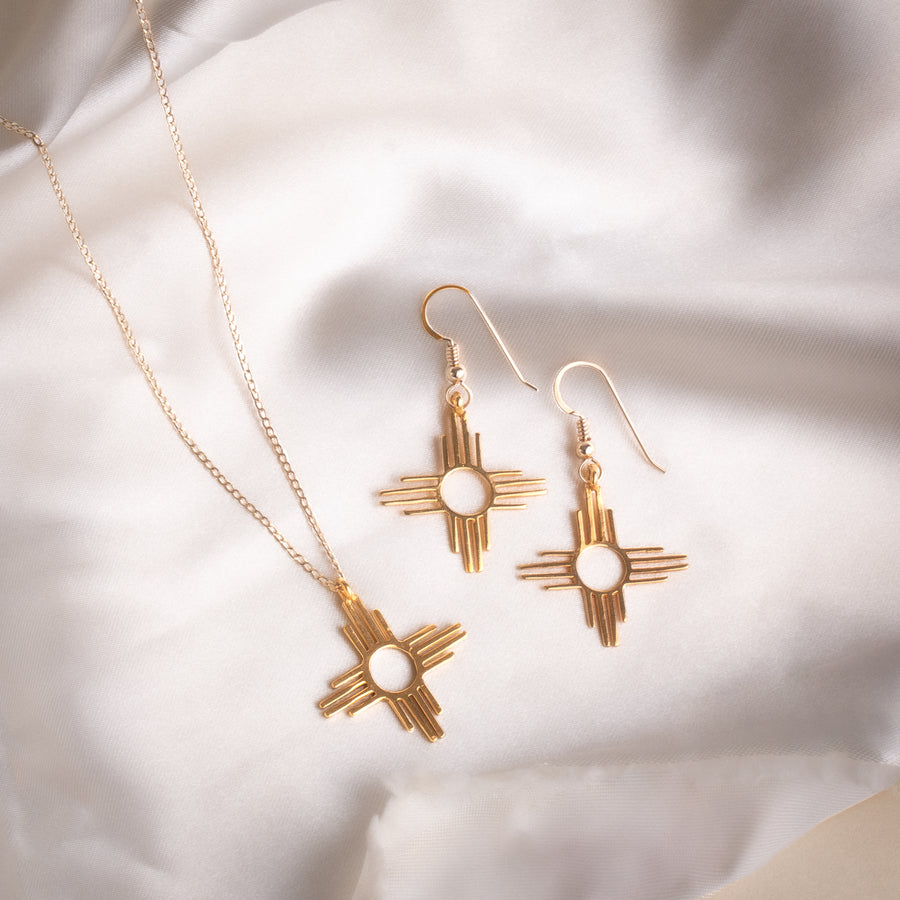
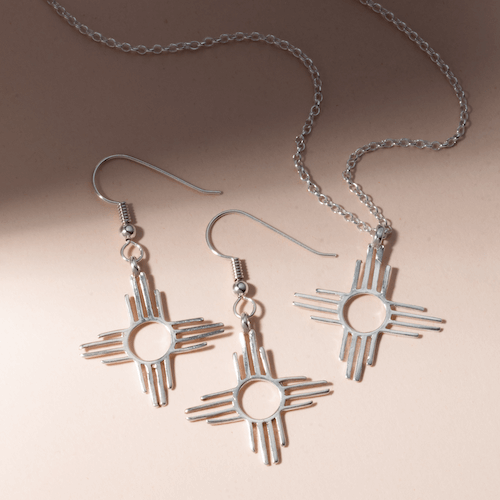
Consider the Zia symbol jewelry meaning. Its power is often amplified by the contrast of light and dark. The recessed lines of the sun's rays hold onto their oxidation, allowing the polished surface to shine with purpose. Honor these shadows. They are where the story lives. Before you reach for a cleaning agent, look closely at the design. If the darkness defines the shape, let it remain. Clean the peaks, but leave the valleys to their quiet, storied depths.
The Gentle Touch: Everyday Methods for Cleaning Silver
Cleaning your jewelry is an act of reverence. It honors the hand that shaped the metal and the earth that provided the stone. When you're learning how to clean sterling silver, start with the softest touch possible. Many people instinctively reach for paper towels or tissues, but these are hidden enemies. They're made of wood pulp fibers that act like tiny saws, leaving micro-scratches on a mirror-polished surface. Instead, rely on the wisdom of the Canadian Conservation Institute silver care guidelines, which advocate for mechanical methods that preserve the metal's integrity. A dedicated microfiber cloth is a simple yet profound investment in the longevity of your treasures.
The Polishing Cloth Ritual
A professional polishing cloth is a dual-purpose tool. The inner layer is usually treated with a specialized compound to lift tarnish, while the outer layer buffs the silver to a high shine. Use long, back-and-forth strokes that follow the grain of the metal rather than circular motions. Think of it as following the path of the artisan's file. This is especially vital for sterling silver turquoise jewelry, where you must be careful not to let the treated cloth touch the porous stone. For intricate designs like silver rings for women, the cloth allows you to selectively brighten the raised surfaces while leaving the artistic shadows intact. This ritual keeps the metal's spirit bright without erasing its history.
Soap and Water: The Safest Deep Clean
For pieces that have gathered oils or lotions from daily wear, a gentle bath is the most soulful remedy. Use warm water and a few drops of mild, phosphate-free dish soap. This is the safest way to address how to clean sterling silver without introducing harsh chemicals that might damage the bond between stone and setting. If your piece features intricate stamp work or filigree, a soft-bristled baby toothbrush can reach the places your fingers cannot. Gently whisk away the buildup, then rinse under cool water. Drying is the final, essential step. Use a lint-free cloth to pat the jewelry dry immediately. Leaving water to air-dry can cause spots that mar the finish. If you're unsure about a particularly delicate heirloom, you can always seek professional guidance on custom jewelry care.
Restoring the Glow: A Step-by-Step Deep Cleaning Guide
There are moments when the soft touch of a cloth is not enough. The metal has gathered a deep, heavy shadow that obscures its true nature. When the tarnish has become a thick veil, you must move beyond simple buffing. This is where the elemental wisdom of electrochemical reversal begins. It's a process of returning what was lost to the air back to the metal. Knowing how to clean sterling silver through this deep restoration is a vital skill for any steward of fine jewelry. It allows you to peel back the layers of time without the need for aggressive scrubbing.
The aluminum foil method is a gentle yet powerful chemical exchange. It doesn't rely on harsh abrasives that strip away the silver's soul. Instead, it creates a bridge between the sulfur on your jewelry and a piece of aluminum. This method is a sacred reset for your metal treasures. It invites the brilliance to return through a quiet, bubbling reaction that feels like a shared secret between the elements. However, use it with wisdom. This method is a total reset. It will remove every trace of tarnish, including the intentional oxidation that gives artisan jewelry its depth. If your piece relies on those dark, soulful shadows for its character, this bath may be too thorough.
The Chemical Exchange Explained
Transformation requires preparation. Gather your tools with intention. You will need a glass vessel, a sheet of aluminum foil, boiling water, baking soda, and sea salt. This is the foundation of your restoration ritual. Avoid plastic or metal bowls, as they can interfere with the delicate flow of the reaction.
- Step 1: Line your glass bowl with the aluminum foil. Ensure the shiny side is facing up. This surface acts as the primary catalyst for the sulfur transfer.
- Step 2: Add one tablespoon of baking soda and one tablespoon of salt to the bowl. These minerals prepare the water to carry the electric charge.
- Step 3: Pour in the boiling water. Once the solution is active, place your silver directly onto the foil. The contact must be firm. You'll see the tarnish begin to lift almost instantly.
Post-Bath Care and Finishing
Once the metal has shed its dark coat, lift it from the bath with care. The reaction is complete. Rinse the piece in cool, clear water to halt the chemical dialogue. This step is crucial. It removes any lingering minerals that could mar the surface or cause future spotting. Pat the silver dry with a soft, lint-free cloth. Finish with a final buff to awaken the mirror-like shine that's been sleeping beneath the tarnish.
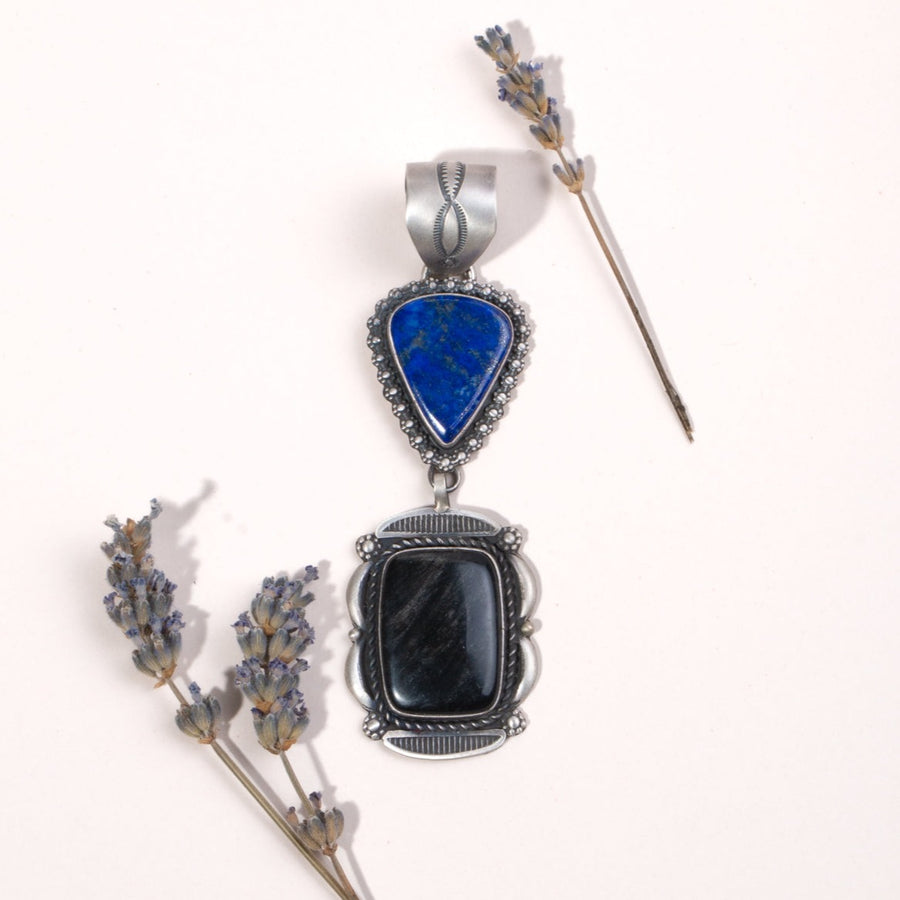
A word of caution is necessary for those who carry the sky on their skin. This method is strictly for all-metal pieces. It is too aggressive for the delicate nature of gemstones. According to the GIA turquoise care and cleaning recommendations, porous stones like turquoise can be irreparably damaged by heat and chemical baths. If your piece holds a stone, return to the gentle touch of a cloth. Use this deep cleaning ritual only for solid silver chains, plain bands, or unadorned pendants. Protecting the stone is just as important as restoring the shine. When you understand how to clean sterling silver with this level of discernment, you honor both the metal and the earth it came from.
Protecting the Soul: Cleaning Silver with Turquoise and Inlays
Turquoise is a stone of the sky. It breathes. It is hydrous and porous, meaning it drinks from its environment. When you hold a piece of turquoise jewelry, you hold a living thing. This is why standard methods for how to clean sterling silver must be adjusted. You cannot treat the metal and the stone as one. The stone requires a sanctuary of its own. It needs a gentle, targeted approach that respects its elemental nature.
Modern convenience often leads to destruction. Ultrasonic cleaners are strictly forbidden for turquoise. These machines use high-frequency sound waves that can shatter the delicate matrix of the stone or cause it to absorb dirty cleaning fluid. Similarly, liquids are a slow threat. Over time, oils, detergents, and even plain water can seep into the pores of natural turquoise. This causes the vibrant blue to shift toward a dull green or brown. It is a permanent change, a loss of the stone's original voice. The "Dry Method" is the only path for preserving the integrity of the sky stone.
The Artisan Approach to Stone Care
Precision is the language of the master silversmith. When addressing tarnish on pieces like men’s turquoise rings, you must use a targeted approach. Never soak these items. Instead, use a Q-tip dampened slightly with water to clean the silver bezels. Work around the stone, not over it. This allows you to restore the metal's shine without introducing moisture to the setting.
Identify your stone. Natural turquoise is untreated and highly sensitive. Stabilized turquoise has been infused with resin to make it harder and less porous. While stabilized stones are more resilient, they still deserve the same reverent care. If you're unsure of your stone's nature, treat it as natural. This ensures the soul of the piece remains intact for another generation. It's a practice of stewardship, a way to honor the artisan who first set the stone in silver.
Handling Navajo and Southwest Inlays
Multi-stone inlays, often seen in Zuni-style work, are a mosaic of the earth. They are exceptionally fragile. These stones are often held in place by a bed of sawdust or traditional "pitch" and modern adhesives. Sudden temperature changes in water can cause the metal to expand or the glue to contract. This loosens the stones, leading to heartbreak. When you consider how to clean sterling silver with these intricate designs, remember that the bond between stone and metal is delicate.
Preserving the history of Navajo jewelry means understanding these construction secrets. Use a dry polishing cloth for the exposed silver. Only wipe the stones with a barely damp, soft cloth if they're physically dirty. If a stone feels loose or the tarnish is too deep for home care, it's time to seek a professional. We invite you to consult with our master silversmiths for the professional restoration of your heritage treasures.
Preserving Heritage: Long-Term Care and Prevention
The life of a silver piece is a shared journey between the wearer and the metal. To truly master how to clean sterling silver, one must first learn the art of prevention. It begins with a simple, reverent ritual: "Last On, First Off." Your jewelry should be the final touch after perfumes have settled and the first thing removed before the day’s end. This protects the metal from the acidic breath of modern cosmetics. It ensures the silver remains a pure reflection of your spirit rather than a magnet for airborne sulfur. Stewardship is a daily practice, a quiet way to honor the craft you carry.
Creating a Sanctuary for Your Jewelry
Humidity is a silent thief of brilliance. Storing your treasures in a bathroom or near an open window invites the elements to dull the surface. Instead, create a sanctuary. Use individual, airtight polyethylene pouches to keep pieces from whispering against each other and causing scratches. Adding a specialized anti-tarnish strip to these small vessels can actively bind sulfur before it reaches the metal. Regular wear naturally polishes silver through friction with skin, allowing the metal to stay bright simply by being part of your life. The metal thrives when it is close to you, responding to your movement and your touch.
The T.Skies Promise of Longevity
Knowing when a piece needs a professional silversmith’s touch is an act of wisdom. If you notice a stone rattling in its setting or a deep, stubborn oxidation that refuses to yield, do not force the restoration. Our studio honors the traditions of Navajo and Southwest silversmithing. We offer custom jewelry design and restoration to ensure your heirlooms remain structurally sound. We look for the subtle signs of wear that only an artisan’s eye can see. We provide the deep care that keeps the spirit of the work alive, ensuring that the bond between metal and stone remains unbroken.
Treat your jewelry as a living piece of art. It is not a static object but a companion that responds to your care. By understanding the nuances of how to clean sterling silver and the importance of mindful storage, you become a guardian of heritage. You ensure that the light captured in the silver and the stories held in the stone will shine for those who follow. Your care is the bridge between the artisan's past and the future of the piece.
Honoring the Light Within Your Silver
Your jewelry is a vessel of meaning, a bridge between the earth's raw beauty and your own story. By understanding the elemental nature of 925 silver and the sacred "Dry Method" for porous stones, you ensure these treasures remain vibrant for generations. You've learned that true care lies in the balance between revealing brilliance and respecting the intentional shadows of the artisan. Embracing the "Last On, First Off" ritual and mindful storage isn't just about maintenance. It's an act of stewardship that honors the craft you carry.
Mastering how to clean sterling silver allows you to move through the world with confidence, knowing your heritage pieces are protected. Our studio is dedicated to this same level of reverence, offering pieces that are handcrafted by local artisans who specialize in authentic 925 sterling silver and Southwest heritage. We invite you to explore our collection of handcrafted, easy-to-care-for sterling silver jewelry and find a new companion for your journey. Let your silver shine as a reflection of your own light, grounded in tradition and polished by the stories you tell.
Frequently Asked Questions
Can I use toothpaste to clean my sterling silver?
Toothpaste is far too abrasive for the delicate soul of sterling silver. Most modern formulas contain silica or calcium carbonate particulates that leave permanent micro-scratches on a mirror-polished surface. These tiny abrasions dull the metal's natural light and trap tarnish more easily over time. It's far better to use a dedicated polishing cloth or a gentle soap bath. Protect the integrity of the finish. Honor the artisan's original vision by avoiding these harsh household shortcuts.
How often should I clean my silver jewelry?
Clean your pieces whenever the light begins to dim. For daily wear, a quick buff with a microfiber cloth once a week prevents heavy sulfur buildup. Interestingly, the friction of your skin against the metal acts as a natural polish. Knowing how to clean sterling silver through regular use is the simplest form of care. The more you wear your treasures, the less often you'll need deep restoration. Listen to the metal's needs.
Is it safe to wear sterling silver in the shower or pool?
Remove your jewelry before entering the water. Chlorine in pools and chemicals in tap water act as aggressive catalysts for tarnish. For stone-set pieces, moisture can weaken the bond between the silver and the earth. Saltwater is particularly harsh, causing deep pitting in the metal. Keep your treasures dry. It's the simplest way to honor their longevity and preserve their radiant glow. Treat the metal with the respect it deserves.
Why did my silver ring turn my finger green?
A green mark is a natural reaction between your skin's acidity and the 7.5% copper found in the sterling silver alloy. It isn't a sign of poor quality. Lotions, sweat, and humidity can accelerate this oxidation. To prevent this, ensure your skin is dry before wearing your rings. You can also apply a thin layer of specialized jewelry sealant to the inner band to create a quiet barrier. The metal responds to your body's unique chemistry.
How do I know if my jewelry is real 925 sterling silver?
Seek the mark of the maker. Authentic sterling silver is almost always stamped with a quality mark like "925" or "Sterling" on the inner band or clasp. This indicates the metal contains 92.5% pure silver. You can also use a small magnet; pure silver is non-magnetic. If the piece is attracted to the magnet, it likely contains a base metal core rather than solid silver. Authenticity is found in the smallest details.
What is the best way to clean turquoise silver jewelry specifically?
The best way to clean turquoise jewelry is the targeted "Dry Method." Focus your polishing cloth strictly on the silver surfaces. Avoid the stone entirely. Turquoise is a porous mineral that drinks in oils and liquids, which can permanently alter its celestial color. If the stone itself is physically dirty, use a barely damp cloth with plain water. Dry it immediately to protect the stone's breath. This targeted care preserves the stone's vibrant spirit.
Does baking soda scratch sterling silver?
Dry baking soda or thick pastes will physically scratch the surface of your jewelry. While baking soda is a powerful elemental ally in a liquid electrochemical bath, it's far too gritty for mechanical scrubbing. These particles act like fine sandpaper on the soft 925 metal. When considering how to clean sterling silver, always ensure the soda is fully dissolved in water. Never rub the dry powder directly against the polished silver. Protect the mirror finish from abrasion.
Can I use jewelry dip on Native American silver?
Avoid commercial liquid dips for your handcrafted Southwest pieces. These aggressive chemicals strip away the intentional oxidation that gives Navajo and artisan jewelry its depth and soul. They leave the metal looking unnaturally white and dead. These dips can also seep into the settings of turquoise or inlays, causing irreparable damage. Stick to mechanical polishing to preserve the shadows that define the history of the piece. Honor the artisan's intentional use of light.


