



Southwest Necklaces: A Guide to Authentic Artistry and Heritage

A necklace is never just an accessory. It's a vessel of meaning. It's a quiet conversation between the ancient earth and your own spirit. When you seek out authentic southwest necklaces, you aren't just looking for silver and stone. You're looking for a story whispered through generations of artisans. You want a piece that feels heavy with purpose and bright with heritage.
It's natural to feel a sense of hesitation when choosing your next heirloom. You might worry about accidentally purchasing a mass produced imitation instead of genuine artisan work. Perhaps the complex world of turquoise mines and sterling silver hallmarks feels more like a maze than a journey. We believe your path to owning wearable art should be as clear as a desert morning. This guide will help you navigate the soulful artistry of the Southwest with confidence. You'll discover the ancestral symbols behind the Zia pendant, learn to distinguish between historic mine varieties, and find the perfect style to complement your unique wardrobe. Let's explore the craftsmanship that turns raw elements into a timeless legacy.
Key Takeaways
- Discover how the desert landscape and ancestral narratives are woven into every piece of wearable art.
- Learn to recognize the unique "fingerprints" of turquoise mines to find a stone that resonates with your personal energy.
- Explore the history and visual impact of iconic southwest necklaces, from the protective Naja to the balanced Zia Sun symbol.
- Gain the confidence to verify authenticity through an understanding of silversmith hallmarks and traditional Navajo techniques.
- Understand the journey of creating a custom heirloom that serves as a tangible vessel for your own story.
The Spirit of Southwest Necklaces: More Than Adornment
Southwest necklaces are a dialogue between the soul and the soil. They represent a rare fusion where mineral wealth meets ancestral narrative. Every pendant and bead carries the weight of the landscape: the vastness of the sky, the grit of the earth, and the memory of water. These aren't accessories designed to fade with the seasons. They're wearable legacies. In a world filled with mass-produced imitations, the value of hand-crafted authenticity can't be overstated. It's the difference between a hollow trinket and a vessel of meaning.
The Call of the Sky Stone
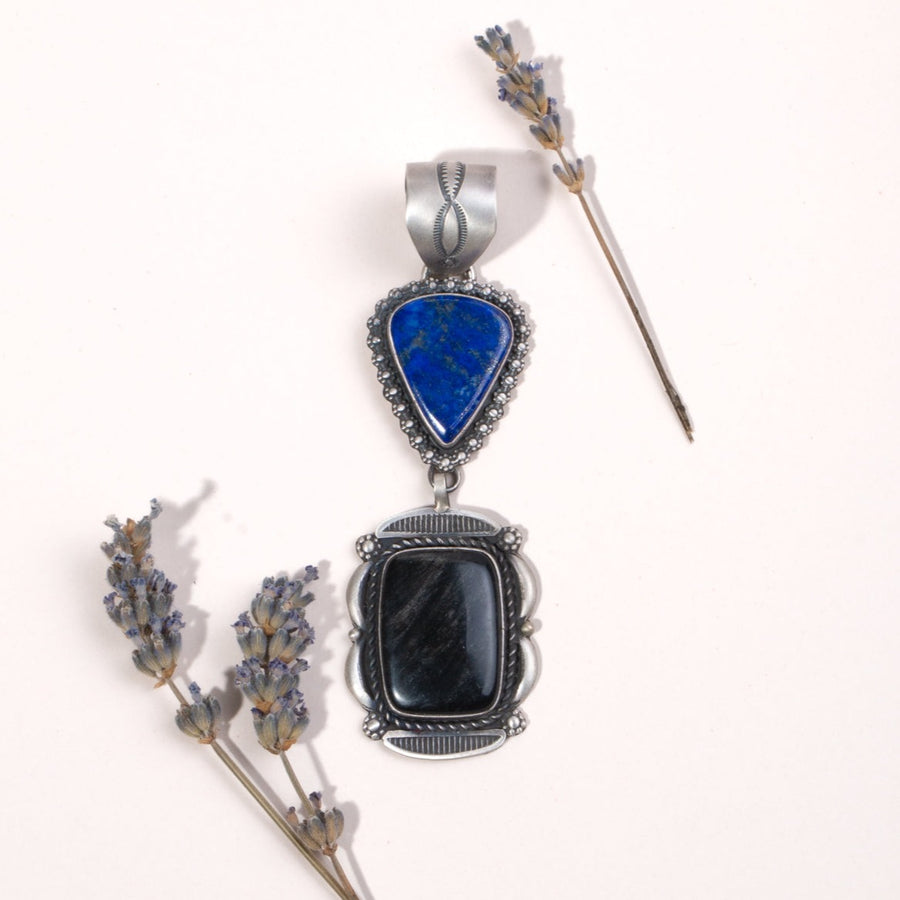
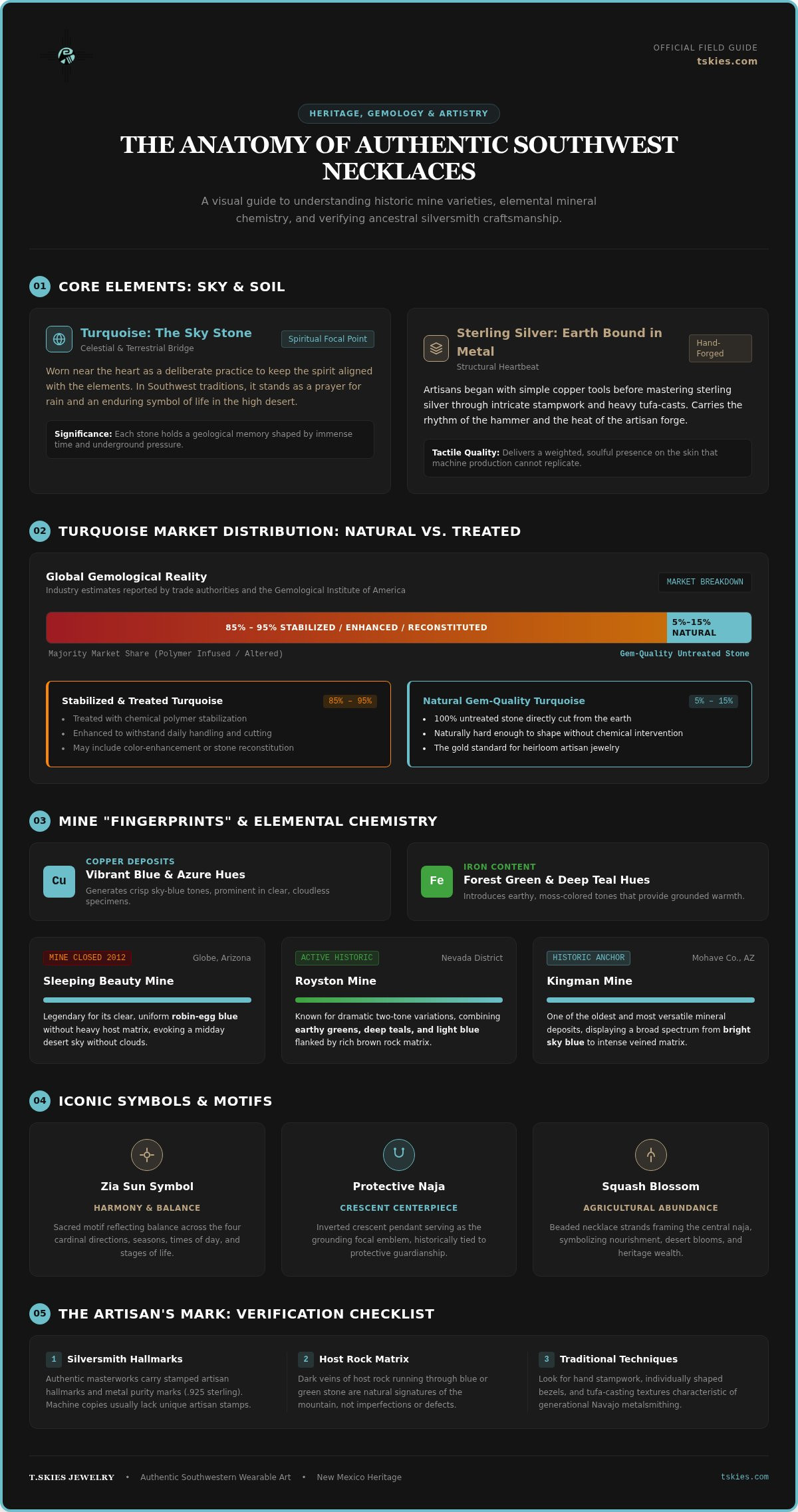
Turquoise is the breath of the sky. In Southwest traditions, it's known as the Sky Stone. It bridges the gap between the celestial and the terrestrial. Wearing turquoise near the heart is a deliberate act. It's a practice of keeping the spirit aligned with the elements. Each stone is a fragment of history, shaped by time and pressure. To understand the mineral's deeper resonance, one must listen to the sacred song of turquoise jewelry. It's a melody of heritage. The stone isn't just a color; it's a prayer for rain and a symbol of life in the high desert.
Sterling Silver: The Earth Bound in Metal
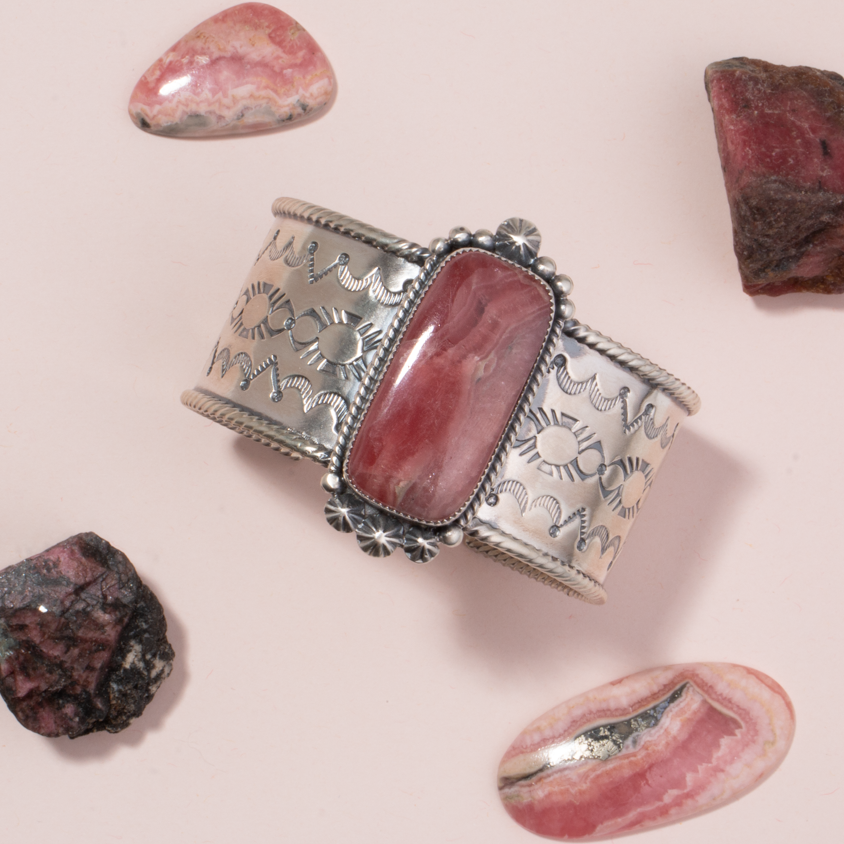
Sterling silver provides the structural heartbeat of these pieces. It's the earth, refined and made resilient. Early artisans began with copper, using simple tools to shape the metal into adornment. Over time, they mastered sterling silver, creating the intricate stampwork and heavy tufa-casts we recognize today. This evolution is central to traditional Native American jewelry. Hand-forged silver feels different on the skin. It has a tactile, soulful quality that machines can't replicate. It carries the rhythm of the hammer and the heat of the forge. It's a tangible connection to the hands that shaped it.
When you choose authentic southwest necklaces, you're participating in a story that began long before the silver was poured. You're supporting a lineage of makers who see the metal as more than a commodity. They see it as a medium for truth. The result is a piece that doesn't just sit on your chest; it resonates with your pulse. It's a quiet, constant reminder of the enduring beauty of the natural world and the human spirit's need to create.
Choosing Your Stone: A Journey Through Color and Mine
To hold a turquoise stone is to hold a fragment of the earth's memory. When you select southwest necklaces, the stone acts as the focal point of your spirit's expression. No two stones are identical. Each mine leaves a distinct "fingerprint" within the mineral, a signature of the specific soil, pressure, and time that birthed it. A Kingman stone carries a different energy than one from the Royston mine; it's a matter of finding the one that mirrors your own internal landscape. These variations aren't accidents. They're the result of the land's unique chemistry.
The Palette of the Desert
The desert doesn't speak in a single shade. It offers a spectrum. Sleeping Beauty turquoise, sourced from the mine in Globe, Arizona, that ceased extraction in 2012, is prized for its clear, robin-egg blue. It feels like a midday sky without a cloud in sight. In contrast, Royston stones often feature earthy greens and deep teals, reflecting the moss and stone of the high country. These colors are born from the earth's elements. Copper deposits create those iconic vibrant blues, while iron content introduces rich, forest-green hues. When choosing, consider your own resonance. A bright azure might pop against cooler skin tones, while an earthy green stone often feels grounded and warm against a neutral wardrobe.
Identifying Natural vs. Stabilized Stones
Natural turquoise is untreated stone taken directly from the earth, cut and polished without chemical intervention. It's the gold standard for those who value a raw, ancestral connection. However, the global market is complex. Estimates from the Gemological Institute of America and other trade experts suggest that 85% to 95% of all turquoise currently sold has been stabilized, color-enhanced, or reconstituted. Only a small fraction, roughly 5% to 15%, is natural "gem quality" stone hard enough to be cut without polymer stabilization. While stabilization can improve durability for daily wear, authentic artisan jewelry often prioritizes high-quality stones for their purity and soul. Understanding turquoise quality factors helps you see beyond the surface. You'll learn to appreciate the matrix, those dark veins of host rock that weave through the blue. This matrix isn't a flaw. It's a mark of natural beauty and a testament to the stone's life in the mountain.
Finding the right piece is a meditative process. Trust your intuition. If a stone draws your eye and refuses to let go, it's likely the one meant for your journey. You can begin your search by exploring our collection of authentic turquoise jewelry to find a stone that truly speaks to you. Southwest necklaces are more than fashion; they're a way to carry the energy of the earth with you every day.
Iconic Styles: From Squash Blossoms to Zia Pendants
Every silhouette in the world of southwest necklaces tells a specific story. Some are bold anthems of heritage. Others are quiet whispers of balance. Choosing a style of southwest necklaces is about matching the jewelry's visual impact with your own daily rhythm. These pieces are not mere decorations; they are vessels of meaning that shift with your movement and your mood.
The Majesty of the Squash Blossom
The squash blossom necklace is the undisputed crown jewel of the desert. It centers on the Naja, a crescent-shaped pendant that symbolizes harmony and protection. Flanked by stylized pomegranate beads, this piece is a profound statement of status and artistry. While it carries immense historical weight, it translates beautifully to modern life. Pair a heavy silver Naja with a simple white linen shirt or a minimalist black dress. The contrast allows the handcrafted silver to breathe. It turns the necklace into the focal point of your ensemble, bridgeing the gap between ancient tradition and contemporary style.
Zia Symbol Jewelry: A Legacy of Balance
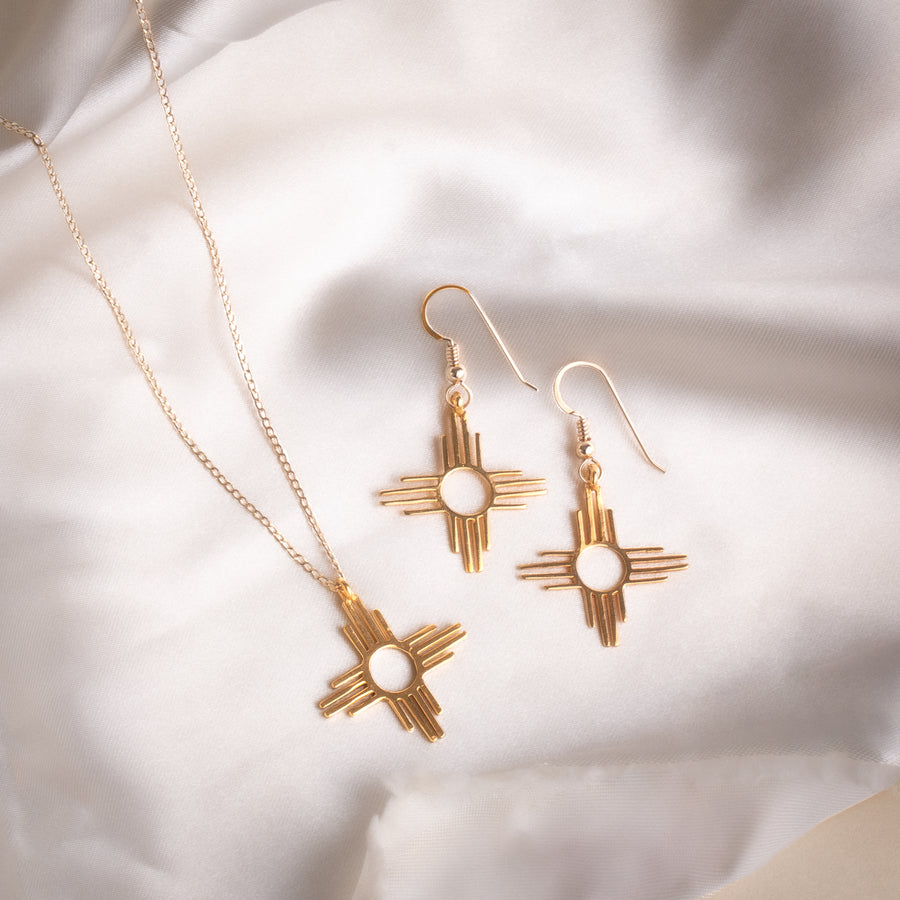
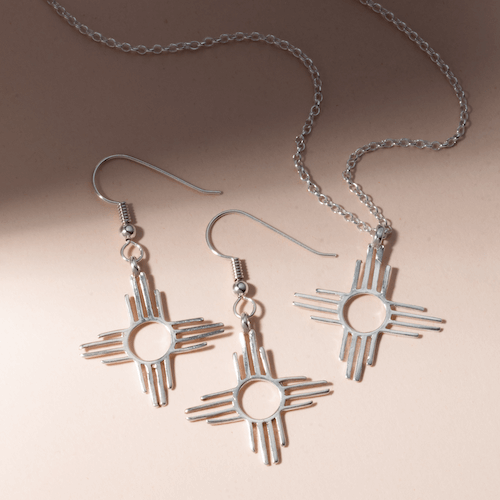
For those seeking a more subtle spiritual connection, the Zia symbol offers a path of light and symmetry. It is a core offering for those who value balance in all things. The four rays extending from the center represent the four directions, the four seasons, the four times of day, and the four stages of life. It is a reminder that everything is bound together in a sacred circle of existence. You can explore the sacred meaning of Zia symbol jewelry to understand why this motif remains so profound. A Zia pendant is delicate enough for daily wear. It is a quiet companion for the modern spirit, serving as a personal talisman that anchors you to the light.
Navajo Pearls and Heishi Beads
Texture is the language of the earth. Navajo Pearls are not pearls at all but hand-bench sterling silver beads. Each one is individual. Each one is a testament to the silversmith's patience. They are soldered, filed, and polished by hand to achieve a weight and a satin finish that feels like silk against the skin. In contrast, Heishi beads, traditionally made from shell or stone, offer a fluid, organic drape that echoes the flow of desert water. These styles invite participation. They are meant for layering. Mix different lengths and materials to create a textured look that feels personal and grounded. When building your collection, remember to consult consumer tips for buying authentic Native American art. This ensures your piece is a true reflection of indigenous craftsmanship. Authenticity is the thread that binds these iconic styles together, turning simple adornment into a wearable legacy.
The Artisan’s Mark: Ensuring Authenticity in Your Choice
Authenticity is a pulse. A rhythm. It lives in the weight of the silver and the depth of the stone. When you hold genuine southwest necklaces, you feel a presence that mass production can never mimic. It's the weight of intention. A machine creates perfection without a soul; an artisan creates beauty through a series of deliberate, human choices. Look closely at the back of a pendant or the curve of a hand-bench bead. You might see a slight tool mark. A subtle variation in the stampwork. These are not flaws. They're the fingerprints of a human life. They're proof that the metal was once hot, moving, and responsive to a master's touch.
Understanding Hallmarks and Silver Quality
A hallmark is an artisan’s unique signature etched into history. It's a mark of pride and accountability. Most authentic pieces feature a "925" or "STERLING" stamp to signify metal purity. But the true heart of the piece lies in the maker's mark. This might be a set of initials, a pictorial symbol, or a full name. This signature connects you to a specific lineage of craft. It's vital to understand the distinction between "Native-made" and "Native-style." Under the Indian Arts and Crafts Act, it's illegal to market jewelry as "Native American" or "Indian-made" if it's not produced by an enrolled member of a federally recognized tribe. "Native-style" often signals an imported imitation. Authentic work carries the spirit of the maker. It's an honest expression of identity.
The Ethics of Cultural Stewardship
Choosing a piece is a quiet act of partnership. When you buy directly from artisan-led studios, you aren't just a consumer. You're a cultural steward. You're supporting the preservation of heritage and the survival of traditional Navajo silversmithing techniques. There's immense emotional value in owning jewelry that supports a living artist. It ensures that the knowledge of the silversmith is passed to the next generation. The relationship between the maker and the wearer is sacred. One provides the vision. The other provides the life for the piece to continue its journey. You can participate in this legacy of light and story by choosing to shop authentic Native American jewelry from makers who honor their ancestors. Ask about the artist. Ask about the tribe. A genuine piece always has a story ready to be told.
Crafting Your Story: Custom Design and Personal Heritage
A custom piece is the ultimate vessel of meaning. It's a way to weave your personal journey into the fabric of ancestral traditions. When you commission southwest necklaces, you're not just ordering a product. You're entering into a sacred partnership. You're bringing your vision to the forge. This collaborative process allows you to embed your specific intentions into the silver and stone, creating a physical anchor for your most cherished stories.
The Bespoke Experience
The custom journey begins with a vision. It starts in the mind and moves to a sketch, guided by the hands of a master silversmith. Selecting the stone is perhaps the most meditative step. You look for the matrix patterns that mirror your own life’s complexities. You seek the hue that feels like home. Perhaps it's a deep green Royston turquoise that reminds you of a specific forest, or a bright Kingman blue that mirrors a childhood sky. This level of intentionality ensures that the final piece is more than silver; it is a part of you. For many, custom Zia pendants serve as the perfect foundation for this exploration. They allow you to integrate your own milestones—four children, four decades, or four life-changing events—into the sacred symmetry of the Zia symbol. These pieces aren't just for today. They're future family heirlooms. They carry your story forward, long after the silver has developed its first beautiful patina.
Finding Your Perfect Piece at T.Skies
T.Skies serves as an artistic mentor in this journey. We don't see ourselves as just a retailer; we are cultural stewards who value the intentionality behind every strike of the hammer. Our approach is one of quiet reverence for the materials and the makers. Whether you're selecting from our curated collection of Zia pendants or embarking on a custom design, the intent remains the same: to honor the past while celebrating your unique path. Every piece is handcrafted with Navajo silversmithing techniques, ensuring that the soul of the Southwest is present in every stamp and solder.
Finding a piece that resonates with your spirit is a transformative act. It's about more than fashion. It's about connection. It's about heritage. When you choose southwest necklaces from an artisan-led studio, you're participating in a living history. You're ensuring that the stories of the desert continue to be told through the medium of silver and sky stone. We invite you to adorn your soul with an authentic Southwest necklace from T.Skies. Let the jewelry be your guide. Let it be the story you carry with you, a constant reminder of the balance and light that exists within the world and within yourself.
Adorn Your Journey with Heritage and Light
A piece of jewelry is a quiet promise made between the earth and the wearer. Throughout this guide, we've explored how southwest necklaces serve as vessels of meaning, bridgeing the gap between ancestral stories and modern expression. You now understand that authenticity lives in the details: the specific fingerprint of a turquoise mine, the rhythmic strike of Navajo silversmithing, and the proud hallmark of a master maker. Choosing a piece is an act of cultural stewardship that honors the living history of the desert.
Whether you're drawn to the protective embrace of a Naja or the balanced rays of a Zia pendant, your choice should resonate with your own spirit. At T.Skies, we're dedicated to this connection. We provide Authentic Navajo Craftsmanship and Genuine Sterling Silver & Natural Turquoise through our Artist-Led Custom Design Studio. Every item is a handcrafted legacy waiting to begin its next chapter with you. We invite you to Explore the Soulful Collection of Southwest Necklaces and find the story that was always meant to be yours. Trust your intuition. The right piece doesn't just decorate your life; it anchors your soul to the light.
Frequently Asked Questions
How can I tell if a Southwest necklace is authentic Native American made?
Authenticity is verified through the artist's hallmark and silver purity stamps. Under the Indian Arts and Crafts Act, only jewelry produced by enrolled members of federally recognized tribes can be marketed as Native American made. When you choose southwest necklaces from T.Skies, you are supporting authentic Navajo traditions. Look for the subtle tool marks and the weight of hand-forged sterling silver, which distinguish genuine artisan work from mass-produced imitations.
What is the most popular style of Southwest necklace?
The Squash Blossom necklace remains the most iconic and popular statement piece in the Southwest. It is often considered the crown jewel of any collection due to its protective Naja pendant and fluted beads. However, Zia pendants have gained immense popularity for those seeking a more subtle, spiritual symbol of balance. Navajo Pearls are also a staple, favored for their versatility and the rhythmic beauty of hand-bench silver beads.
How do I choose the right length for a turquoise necklace?
Selecting the right length depends on your personal style and how you plan to layer your pieces. A 16 to 18-inch chain is ideal for a Zia pendant or a single stone that rests near the heart. Longer lengths of 24 inches or more are reserved for bold statement pieces like the Squash Blossom. Consider your wardrobe's necklines; a longer necklace offers a fluid, organic drape over sweaters and high-collared shirts.
Is sterling silver or nickel silver used in authentic Southwest jewelry?
Authentic Southwest jewelry is always crafted from high-quality sterling silver, which contains 92.5% pure silver. Nickel silver, despite its name, contains no silver at all and is often used in mass-produced, imported imitations. T.Skies uses only genuine sterling silver to ensure each piece remains a resilient vessel of meaning. This precious metal provides a soulful, tactile feel that develops a beautiful, unique patina over time, unlike base metal alternatives.
Can I wear a large Squash Blossom necklace with casual outfits?
You can absolutely wear a large Squash Blossom necklace with casual attire. In fact, pairing such a bold piece with a minimalist white linen shirt or a simple denim jacket creates a striking, modern contrast. This allows the handcrafted silver and turquoise to serve as the focal point of your spirit's expression. These necklaces bridge the gap between ancient heritage and contemporary fashion, making them a timeless choice for any occasion.
What does the Zia symbol represent on a necklace?
The Zia symbol represents a sacred legacy of balance and light. Its four rays extend in four directions to signify the four cardinal directions, the four seasons, the four periods of each day, and the four stages of life. These elements are bound together by a central circle representing the sacred circle of life. Wearing a Zia pendant is a reminder of the harmony that exists between the earth and the human spirit.
How should I care for and clean my turquoise and silver necklace?
Turquoise is a porous stone, so it requires gentle care to preserve its natural color. Avoid using chemical cleaners, ultrasonic machines, or submerging your jewelry in water. Instead, use a soft, dry polishing cloth to maintain the luster of the sterling silver. Store your necklace in a cool, dry place away from direct sunlight to protect the stone's integrity and ensure your wearable art remains a legacy for generations to come.
Why does the color of turquoise vary so much between necklaces?
The color of turquoise is a direct reflection of the earth's chemistry at the specific mine of origin. Higher copper content produces the iconic robin-egg blues, while iron deposits introduce earthy green and teal hues. These variations, along with the unique matrix patterns of the host rock, act as a geological fingerprint. This natural diversity is why southwest necklaces offer such a rich spectrum of color, ensuring no two pieces ever share the same soul.


