



Custom Navajo Jewelry: Who Makes It and What to Ask

Custom commissions and repairs are paused until January. We are not taking new orders right now. This guide explains how a custom Navajo piece is made and what to expect, so you can plan one for when commissions reopen in January.
Custom Navajo jewelry is a piece made to order by a Diné (Navajo) silversmith. The second half of that sentence is the part that counts. Federal law makes it illegal to sell a piece in a way that falsely suggests it is the product of a particular tribe, and that applies to a commission just as it does to a ring in a case. This guide covers what the term has to mean, who makes our custom Navajo pieces, how a commission goes, and what to get in writing.
What "custom Navajo jewelry" has to mean
The federal Indian Arts and Crafts Act of 1990 is "a truth-in-marketing law administered by the Indian Arts and Crafts Board, U.S. Department of the Interior." Under it, "it is illegal to offer or display for sale, or sell, any art or craft product in a manner that falsely suggests it is Indian produced, an Indian product, or the product of a particular Indian Tribe."
"Navajo" names a particular tribe. So calling a piece Navajo is a claim about who made it, not how it looks. Selling a Navajo-style piece by a non-Navajo maker as Navajo would falsely suggest it is the product of that tribe. For a commission the test is simple. Ask who will make it, and expect a name.
Who makes ours
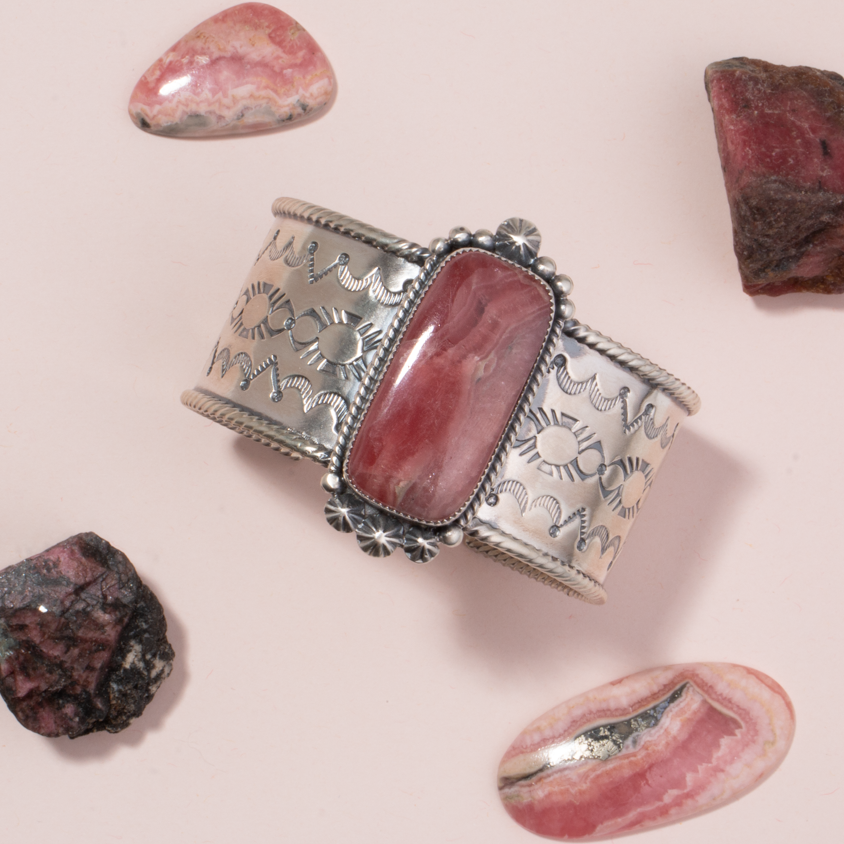
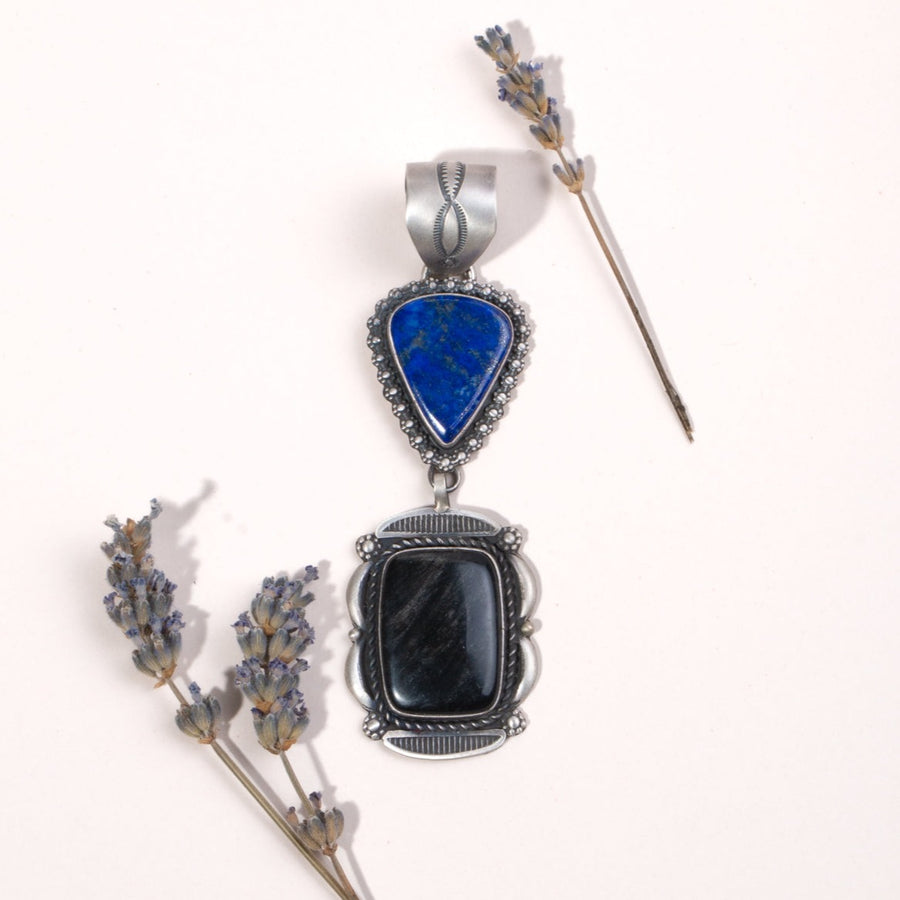
Our custom Navajo commissions are made by our in-house Diné (Navajo) silversmiths, and each piece carries its maker’s hallmark. We have more than one, so if you would like a particular silversmith, ask for them by name.
Not everyone who makes our jewelry is Navajo, and not every piece we sell is Native-made. Custom work designed and made in our own shop is house work. We call it custom jewelry design and never label it Navajo, whatever it looks like. Our Native Made page explains how we credit makers.
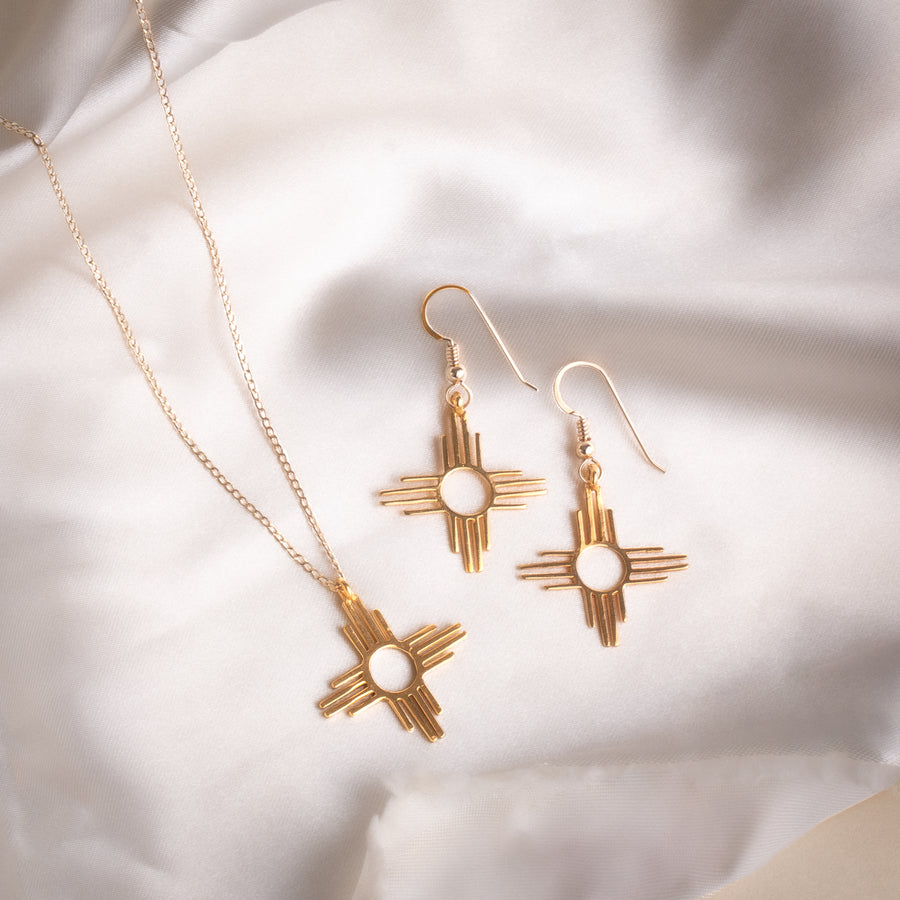
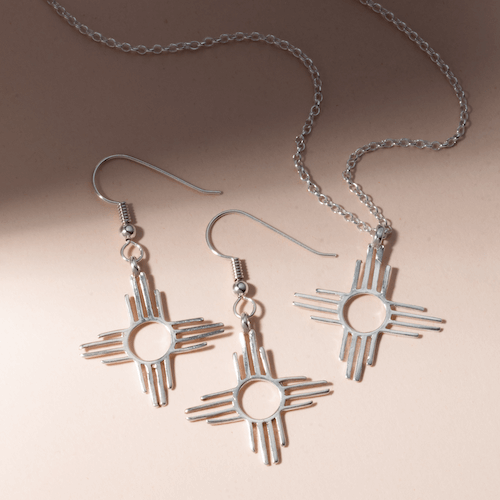
If you want work from another nation, such as Zuni or Santo Domingo (Kewa), we will reach out to artists in our network. We cannot promise one will be available, and the artist sets the price, so these pieces will likely cost more. For how the major Southwest traditions differ, see Navajo, Zuni and Hopi jewelry.
How a commission goes
- Tell us what you want. The piece, your size, the stone and your budget. For a ring, measure first with our ring sizing chart.
- Choose the stone. If it is turquoise, decide whether the mine matters to you and whether you want natural or stabilized stone. Our guide to what turquoise is worth explains the difference.
- Talk through the work. Stamped, cast, overlay or plain: say what you have in mind, and bring photos of pieces you like. For the background, read our guide to Navajo jewelry.
- Agree the design and the maker before work starts. You should know who is making your piece before any silver is cut.
- Get it in writing. See the next section.
What to get in writing
The Indian Arts and Crafts Board advises buyers to "request a written receipt that includes all the vital information about your purchase," including the artist's name and tribal affiliation, the mine the turquoise came from, and "whether the turquoise is natural, stabilized, or treated." A custom Navajo piece should come with exactly that.
The federal Act covers the maker, not the stones: "the use of materials, such as turquoise, in the production of Indian art or craftwork is not within the scope of the Act." New Mexico adds its own rule. "The State of New Mexico’s Indian Arts and Crafts Sales Act, unlike the federal Indian Arts and Crafts Act, requires the seller to disclose in writing the type of materials used."
Price is part of this too. The Board's advice: "Realize that authentic handmade pieces may be expensive…if a price seems too good to be true, be sure to ask more questions about the item and its maker." If you believe a piece was misrepresented, you can report it to the Indian Arts and Crafts Board at the U.S. Department of the Interior, toll-free at 1-888-278-3253 (1-888-ART-FAKE).
Until January
New custom commissions reopen in January. Until then, our finished pieces are in the Native American jewelry collection, and our guide to authentic Native American jewelry covers what to ask about any piece, ours included.
Frequently asked questions
Can I commission a custom Navajo piece now?
Not yet. Custom commissions and repairs are paused, and new commissions reopen in January.
Who makes T.Skies custom Navajo jewelry?
Our in-house Diné (Navajo) silversmiths, and each piece carries its maker’s hallmark. Only their work is sold as Navajo. The Indian Arts and Crafts Act makes it illegal to sell a product in a way that falsely suggests it is "the product of a particular Indian Tribe" (Indian Arts and Crafts Board brochure, p. 2).
Is every T.Skies piece Native-made?
No. Our workforce is mixed. House work is called custom jewelry design and is never labeled Navajo or Native-made.
Can I commission a Zuni or Santo Domingo piece?
We can reach out to artists in our network, but availability is not guaranteed, and the artist sets the price.
What should the receipt for a custom Navajo piece list?
The artist's name and tribal affiliation, the mine the turquoise came from, and "whether the turquoise is natural, stabilized, or treated" (Indian Arts and Crafts Board brochure, p. 1).
Sources
- U.S. Department of the Interior, Indian Arts and Crafts Board, with Joe Dan Lowry (Turquoise Museum). Indian Arts and Crafts Act / turquoise consumer brochure (GPO gpo58769), n.d. PDF pp. 1–2.
- U.S. Department of the Interior, Indian Arts and Crafts Board. “Contact Us,” doi.gov/iacb (accessed September 23, 2026).


