



Zuni vs Navajo Jewelry Styles Explained: A Guide to Ancestral Artistry

A piece of turquoise jewelry is never just an ornament. It's a prayer held in silver and stone. A silent echo of the hands that shaped it. You feel the pull toward the Southwest, drawn by the vibrant blue of the sky reflected in a mineral. Yet, standing before a gallery of silver, the technical language can feel like a barrier. Understanding the nuances of Zuni vs Navajo jewelry styles explained through the lens of heritage transforms a simple purchase into a soulful connection.
You seek a piece that speaks to your journey. You don't want a mass produced imitation that lacks a heartbeat. It's natural to feel confused by terms like needlepoint or sandcasting. This guide helps you bridge that gap. Discover the distinct techniques and soulful stories behind Navajo and Zuni jewelry to find the piece that resonates with your spirit. We'll explore the bold dialogue of Navajo silver and the meticulous spiritual precision of Zuni stonework. You'll gain the confidence to identify authentic styles. You'll learn which ancestral echo truly fits your lifestyle.
Key Takeaways
- Identify the "Big Silver" aesthetic of Navajo jewelry. This bold style celebrates the raw beauty of the Sky Stone in its most organic form.
- Explore the Zuni legacy of lapidary precision. These masters of stone use intricate inlay and mosaic techniques to create a seamless marriage of earth and spirit.
- Decode the visual differences of Zuni vs Navajo jewelry styles explained through a comparison of cluster patterns and silver weights.
- Protect your investment by learning to spot authentic artisan signatures. Look for the marks of true cultural stewardship and traditional craftsmanship.
- Find a piece that resonates with your spirit. Learn how to select jewelry that serves as a vessel for your own personal story and ancestral echo.
The Foundations of Southwest Artistry: An Introduction to Navajo and Zuni Heritage
The Southwest landscape is a living canvas of high desert mesas and ancient canyons. It is a place defined by light, stone, and spirit. For those who wear these pieces, the distinction of Zuni vs Navajo jewelry styles explained becomes a gateway to a deeper cultural appreciation. Navajo (Diné) jewelry often feels like a bold dialogue with the raw elements. It emphasizes heavy silver and the organic beauty of the "Sky Stone." Zuni jewelry, by contrast, is a meticulous mosaic of spiritual precision. It focuses on lapidary mastery and the seamless harmony of multiple stones. Understanding these styles is essential for the conscious collector who wants to honor the artisan’s intent and find a piece that whispers of the earth.
Ancestral Echoes: The Shared Roots of Southwest Silver
The story of silver in the Southwest is a relatively recent chapter in an ancient narrative. Silversmithing was first introduced to the Navajo in the mid-19th century; most historians point to the 1850s as the pivotal era. These early makers began their journey by hammering salvaged copper and brass. They eventually transitioned to the "Sacred Song" of sterling silver as tools and materials became more accessible. While the Navajo embraced the weight and shine of the metal itself, Zuni artisans adapted these techniques to highlight their long history as "Masters of Stone." They used silver as a structural foundation to showcase their ability to cut and polish stone with incredible detail. This transition from base metals to silver allowed both tribes to elevate their traditional symbols into a timeless medium.
The Philosophy of the Maker: Raw Strength vs. Meticulous Harmony
The divergence between these styles is deeply rooted in the philosophy of the maker. Navajo artisans tend to respect the natural, weathered form of the turquoise. They allow the stone to dictate the shape of the silver bezel. This approach celebrates raw strength and the mountain’s own architecture. Zuni artisans view the stone as a medium for spiritual transformation. They cut, grind, and polish turquoise, coral, and shell into precise patterns that mirror the order of the natural world. It's a dance of precision. Authentic Native American jewelry is a vessel of meaning rather than a mere accessory. Choosing between them is an act of finding the narrative that mirrors your own soul. Whether you are drawn to the bold power of the Diné or the intricate harmony of the Zuni, you are participating in a shared heritage that spans generations.
Navajo Jewelry: The Bold Song of Earth and Silver
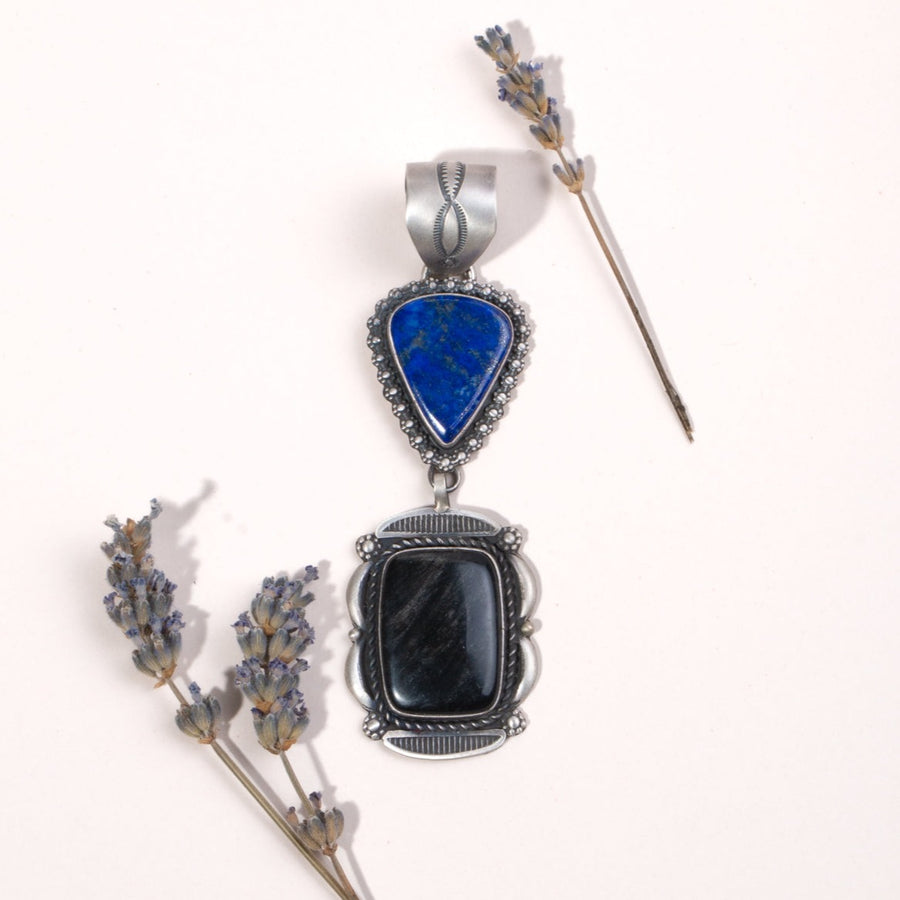
Navajo jewelry is the weight of a mountain held in the palm of your hand. It's often defined by the "Big Silver" aesthetic. This style isn't just about physical size; it's about a presence that feels grounded and powerful. The Diné silversmith honors the stone by leaving it in its most organic state. Large, irregular slabs of turquoise are cradled in heavy silver bezels, allowing the "Sky Stone" to speak for itself. This philosophy is at the heart of The Sacred Song of Turquoise Jewelry. When we look at Zuni vs Navajo jewelry styles explained through the lens of artistry, the Navajo style is a rugged landscape. It's bold, unyielding, and deeply connected to the raw elements of the high desert.
Sandcasting and Tufa Casting: Capturing the Earth's Texture
The process of creating a cast piece is a visceral act of transformation. Artisans carve their designs directly into tufa, a soft volcanic stone, or specialized sand molds. Molten silver is poured into these hand-carved voids. As the metal cools, it captures the porous, "whispered" texture of the stone or sand. These pieces have a unique, tactile weight that modern mass-produced items can't replicate. To identify a genuine Navajo cast piece, look for a slight graininess on the back or sides. It's the fingerprint of the earth itself, left behind during the cooling process. This technique ensures that no two pieces are ever identical.
Navajo Silversmithing: Stampwork and Repoussé
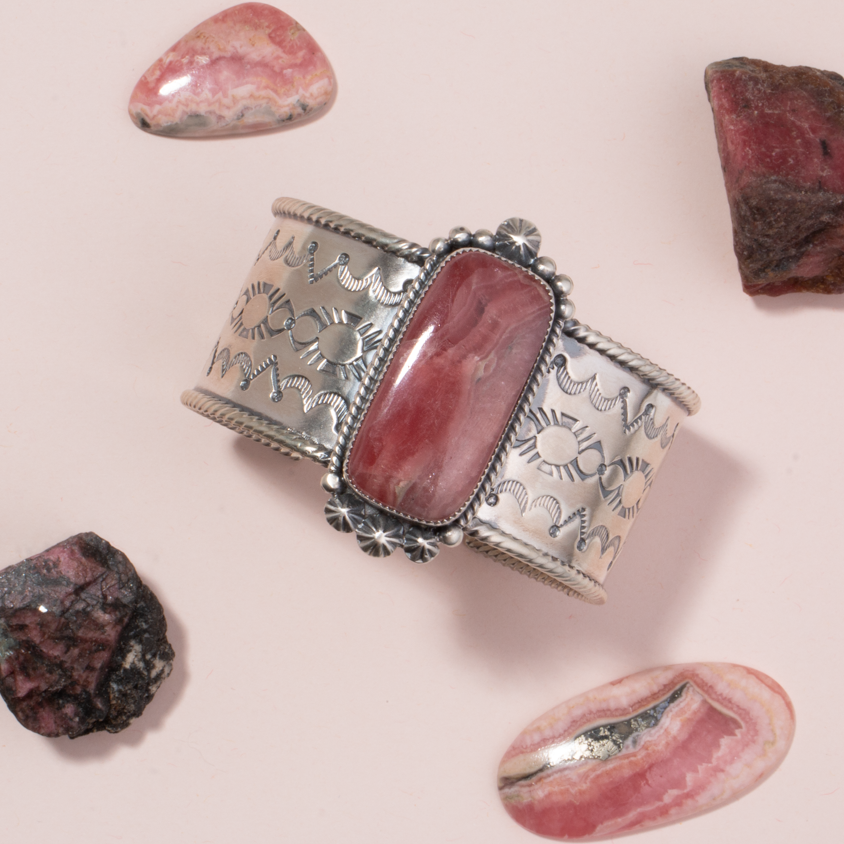
Storytelling lives in the rhythmic strikes of a hammer. Navajo makers create "Ancestral Echoes" using handmade steel stamps, often passed down through generations. Each mark is a specific prayer or symbol. A line of rain. A mountain peak. A bird's wing. These patterns create a textured narrative across the silver surface. Repoussé adds another layer of life to the metal. By hammering the silver from the back, the smith creates 3D depth. The metal rises toward the light, making the piece feel alive and kinetic.
Iconic motifs define this lineage. You'll find the squash blossom necklace, heavy concho belts, and the protective naja pendant. These aren't mere decorations; they're vessels of history. If you're drawn to jewelry that feels like a bold dialogue with nature, you may find that Navajo Jewelry resonates most deeply with your spirit. Every stamp and curve is a testament to a legacy that refuses to be silenced.
Zuni Artistry: The Intricate Mosaic of Spirit and Stone
If Navajo jewelry is a mountain, Zuni jewelry is a prayer whispered in a mosaic. The Zuni people are widely recognized as "Masters of Stone." Their legacy is one of lapidary precision. Rather than letting the stone's raw shape lead the design, the Zuni artisan shapes the stone to fit a precise spiritual vision. This results in pieces that feel lighter, more delicate, and significantly more intricate than the bold silver work of their neighbors. It's a seamless marriage of shell, coral, jet, and turquoise. When exploring Zuni vs Navajo jewelry styles explained, you'll find that Zuni work prioritizes the harmony of stones over the weight of the silver.
Beyond wearable adornments, Zuni carvings known as fetishes hold profound spiritual weight. These small animal figures represent the spirit of the creature and the power it grants the wearer. A bear might symbolize strength; an eagle represents vision. These are often strung into multi-strand necklaces, creating a tactile connection to the animal kingdom. This spiritual focus ensures that every piece is a vessel of meaning, intended to bring balance to the person who carries it.
Petit Point and Needlepoint: The Geometry of the Soul
The Zuni "Cluster" style is a feat of incredible patience. It's often divided into two distinct categories: needlepoint and petit point. Needlepoint involves stones cut into incredibly thin, needle-like slivers. Petit point uses stones shaped into tiny teardrops, ovals, or rounds. These miniature gems are set into delicate silver teeth to create floral or celestial patterns. It's a geometric dance that mirrors the stars or the petals of a desert bloom. This level of minute detail is a definitive Zuni hallmark that requires years of apprenticeship to master.
Channel Inlay and Stone-to-Stone Artistry
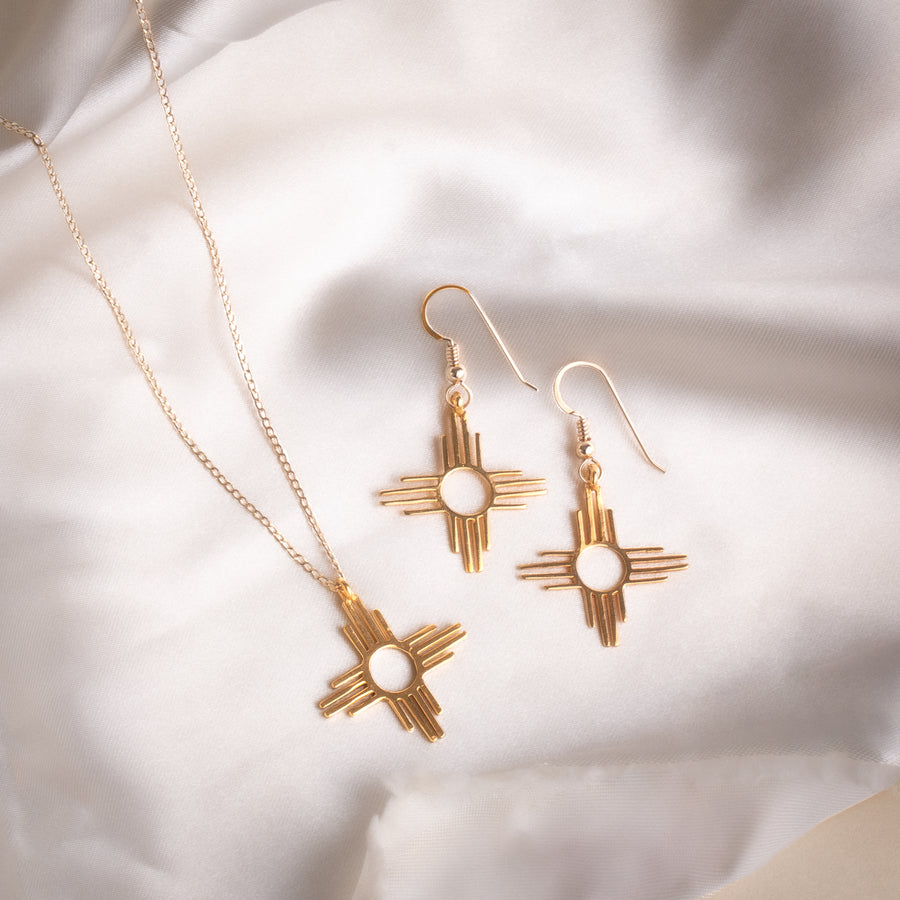
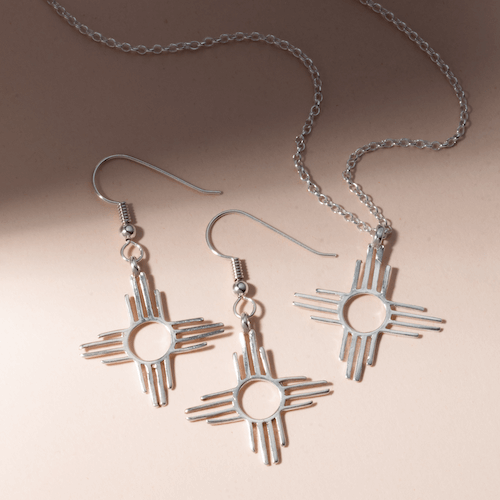
Inlay work is where the Zuni spirit truly shines. Channel inlay uses thin strips of silver to separate each stone, creating a structured, stained-glass effect. Mosaic inlay, or stone-to-stone artistry, is even more demanding. The artist grinds each stone so perfectly that they fit together without any visible silver between them. They create "paintings in stone" that feel smooth to the touch. You'll often see the "Four Directions" or Zia-inspired sun symbols woven into these patterns. These designs aren't just decorative. They're intentional echoes of a culture deeply tied to the sun, the cardinal points, and the rhythmic cycles of the earth.
Zuni vs. Navajo Jewelry: A Comparison of Technique, Texture, and Tradition
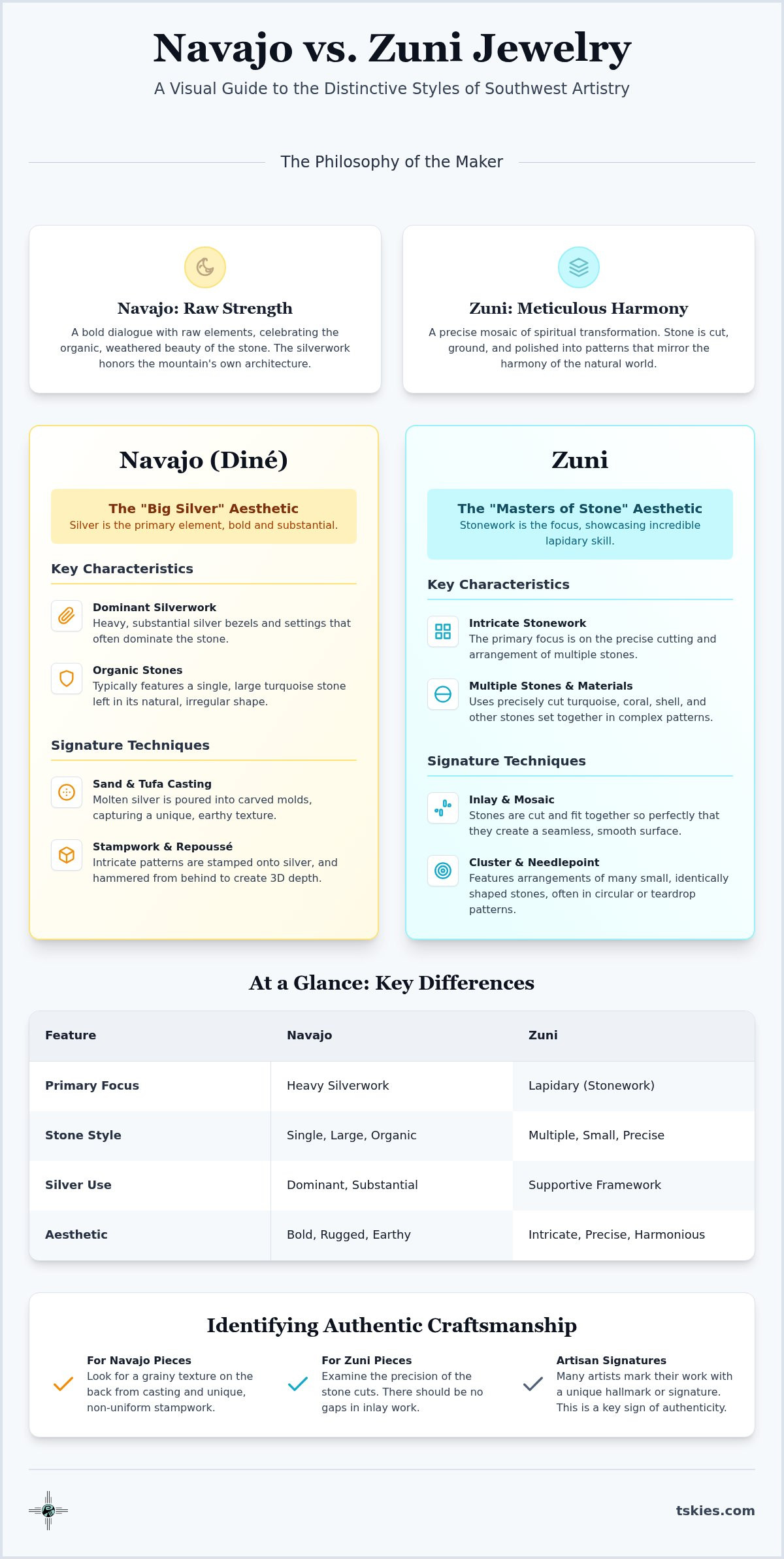
Choosing between these two styles is a journey of personal resonance. It's the difference between the rugged strength of the earth and the delicate precision of the stars. When we look at Zuni vs Navajo jewelry styles explained, the most immediate contrast is the silver weight. Navajo pieces are substantial. They feel grounded. The silver is a primary character in the story, often featuring heavy stampwork and thick bezels. Zuni jewelry is stone-forward. The silver acts as a quiet skeleton, supporting an intricate body of turquoise, shell, and coral. Navajo pearls are a classic silversmithing staple compared to Zuni stone-heavy necklaces. One celebrates the metal's song; the other honors the stone's mosaic.
Confusion often arises with "cluster" styles. A Navajo cluster ring features larger, more organic turquoise stones. These stones are often irregular, held in place by thick, handmade bezels and accented with silver raindrops or heavy wire. A Zuni cluster, such as petit point, is a miracle of uniformity. The stones are cut into identical tiny shapes and arranged in perfect geometric rows. While both styles are breathtaking, Navajo clusters feel like a wild garden, while Zuni clusters feel like a formal sanctuary.
The Quick Identification Checklist
Use these tactile cues to identify the soul behind your piece:
- Silver Weight: Does the piece feel heavy and substantial (Navajo) or light and airy (Zuni)?
- Stone Texture: Are the stones chunky and raw (Navajo) or cut into precise, uniform slivers (Zuni)?
- Bezel Style: Look closely at the silver holding the stone. Navajo bezels are often smooth and thick. Zuni bezels are frequently serrated, looking like tiny silver teeth.
- The Hallmark: Turn the piece over. A signature or tribal mark is the artist’s promise of authenticity.
When Traditions Intertwine: The Cross-Cultural Influence
Art doesn't live in a vacuum. Modern artisans often blend these traditions to create a unique ancestral echo. You might see "Cobblestone" inlay, which is a Navajo adaptation of Zuni techniques. In this style, the stones are inlaid but left with rounded, raised tops like a desert path. It combines Navajo's love for raw texture with Zuni's lapidary skill. Some artists prioritize personal expression over strict tribal boundaries, creating a dialogue between their shared histories. This evolution keeps the craft alive and kinetic. If you are ready to invite this heritage into your life, explore our collection of authentic Navajo Jewelry to find a piece that carries this powerful weight.
Adorning the Soul: How to Choose Your Authentic Piece
Choosing a piece of ancestral art is an act of deep listening. It's about finding the metal and stone that mirror your own inner landscape. Now that you've seen Zuni vs Navajo jewelry styles explained through their distinct techniques, the final step is alignment. You aren't just buying an accessory. You're becoming a steward of a story that began centuries ago. Handcrafted jewelry acts as a vessel. It carries the intention of the maker and gains meaning the longer it stays close to your skin. Understanding these nuances allows you to move past the fear of imitations and find a piece that truly resonates with your spirit.
Authenticity is the foundation of this connection. To protect your investment, always look for the artist's signature or a reputable hallmark. Organizations like the Indian Arts and Crafts Association provide a standard of trust you can rely on. These marks ensure you're supporting local artisans rather than mass-produced imitations that lack a heartbeat. Once you've found your treasure, treat it with reverence. Keep your silver radiant by wearing it often; the natural oils in your skin help prevent tarnish. Protect the vibrancy of your stones by avoiding harsh chemicals and keeping them away from prolonged, direct heat. A well-cared-for piece becomes a legacy you can eventually pass down.
Choosing by Intention: Bold or Intricate?
Your wardrobe often reflects your energy. Navajo jewelry, with its raw strength and "Big Silver" presence, pairs beautifully with minimalist styles or Southwest chic ensembles. It's for the days you want to feel grounded, powerful, and connected to the rugged mesas. Zuni jewelry offers a touch of delicate, colorful grace. Its intricate mosaics and needlepoint patterns are perfect for formal attire or moments when you seek a refined, spiritual harmony. If you can't find the exact echo you're looking for, custom jewelry design allows you to work with an artisan to craft your own story. You can weave your personal narrative directly into the silver, creating a unique ancestral echo that is yours alone.
The T.Skies Jewelry Promise: Authenticity and Artistry
We believe jewelry should be a life-long companion. Our commitment to cultural stewardship ensures that every piece honors the traditions of the Navajo and the wider Southwest. T.Skies Jewelry doesn't just sell turquoise; we offer a connection to the earth and the hands that shape its gifts. Every piece is handcrafted with the intention of becoming a future heirloom. We invite you to explore our collection and find the spirit-stone that resonates with your soul. Carry the legacy forward and let your jewelry be a testament to the enduring beauty of the human spirit.
Carrying the Ancestral Echo
The journey through the Southwest is a path of discovery. You've explored the rugged strength of the Navajo silversmith and the meticulous precision of the Zuni master. With Zuni vs Navajo jewelry styles explained, the technical veil is lifted. You can now distinguish the bold, organic presence of hand-stamped silver from the intricate, spiritual harmony of a stone-to-stone mosaic. These pieces are more than adornments. They're vessels of meaning handcrafted by master artisans to honor a living heritage.
Your choice is a reflection of your own spirit. Whether you're drawn to the raw power of the high desert or the delicate geometry of a star-filled sky, each piece invites you into a shared story. We invite you to adorn your soul with our collection of authentic, handcrafted Southwest jewelry. Our soulful, timeless designs are created to be your companions for a lifetime. Step into a narrative that bridges generations. Let the stone find you and carry the light of the ancestors forward.
Frequently Asked Questions
How can I tell if my jewelry is Navajo or Zuni?
Look at the relationship between the silver and the stone. Navajo jewelry typically features heavy, stamped silver with large, organic stones. Zuni jewelry is stone-forward, showcasing intricate lapidary work like needlepoint or inlay where the silver acts as a supportive frame. Checking the weight and the way stones are cut helps clarify the Zuni vs Navajo jewelry styles explained in this guide. It's about seeing the balance between metal and earth.
Is Zuni jewelry more expensive than Navajo jewelry?
Pricing depends on the artist's reputation, the quality of materials, and the labor involved rather than tribal affiliation alone. Zuni pieces often involve more time due to the labor-intensive nature of cutting dozens of tiny stones for a single cluster. Navajo pieces can be equally valuable when they feature rare turquoise or complex, heavy sandcasting. Both styles represent a significant investment in ancestral artistry. They're vessels of culture that carry timeless value.
What is the difference between petit point and needlepoint?
The difference lies in the shape of the hand-cut stones used in Zuni cluster work. Needlepoint features stones cut into very thin, straight slivers that resemble the eye of a needle. Petit point uses stones shaped into tiny teardrops, ovals, or rounds. Both techniques require immense precision and patience from the lapidary artist. These styles create the delicate, floral patterns that define the Zuni legacy of mastery. They mirror the geometry of the soul.
Can I wear Zuni and Navajo jewelry together?
You can absolutely layer these styles to create a personal narrative. Many collectors find that the bold, grounded weight of Navajo silver provides a beautiful foundation for the delicate, colorful precision of Zuni inlay. Combining them honors the shared history of the Southwest while allowing you to express your unique spirit. It's a way to participate in a cross-cultural dialogue. Your jewelry becomes a curated gallery of your own journey and heritage.
Does authentic Native American jewelry always have a hallmark?
Not every authentic piece has a hallmark, especially older vintage items created before signatures became a standard practice. While modern artisans almost always stamp their work with a personal mark, many historic treasures rely on technical "fingerprints" for identification. You should look for specific construction methods, like hand-filed edges or traditional bezel work, to verify authenticity when a signature is absent. It's the soul of the work that truly speaks to its origin.
Why is turquoise so central to both Navajo and Zuni jewelry?
Turquoise is revered as the "Sky Stone," a sacred bridge between the earth and the heavens. For both the Navajo and Zuni, it symbolizes protection, health, and the life-giving essence of water in an arid landscape. While the Zuni vs Navajo jewelry styles explained here differ in technique, they share a deep spiritual reverence for this mineral. It's more than a stone; it's a vessel of prayer and connection to the natural world.
What is 'sandcasting' in Navajo jewelry?
Sandcasting is a traditional Navajo technique where molten silver is poured into a hand-carved mold made of sand or volcanic tufa stone. Once the metal cools, the mold is broken to reveal a piece with a distinct, slightly grainy texture. This process ensures that every cast item is a one-of-a-kind creation. The resulting jewelry has a tactile weight and a rugged beauty. It captures the very texture of the earth in a permanent silver form.
How do I care for my handcrafted turquoise and silver pieces?
Gentle care preserves the life and spirit of your handcrafted treasures. Clean your silver with a soft polishing cloth, but avoid chemical dips that can damage porous stones like turquoise. Since turquoise can absorb oils, it's best to put your jewelry on after applying lotions or perfumes. Store your pieces in a dry, cool place to prevent tarnish. This ensures the stones stay vibrant and the silver stays radiant for the next generation.


