



Whispers of the Earth: A Guide to the Many Colors of Turquoise

What if the stone resting against your skin is less an accessory and more a silent witness to the ancient history of the high desert? You might feel a deep, soulful pull toward the vibrant colors of turquoise, yet hesitate when faced with a shade you don't recognize. It's common to wonder if a deep moss green is as authentic as a brilliant robin's egg blue. You want to know that your jewelry is genuine. You want to feel the weight of tradition. We understand that search for truth and connection.
In this guide, we'll reveal the elemental secrets that transform simple minerals into these varied, living shades. You'll discover how the balance of copper and iron creates every hue from sky to stone. We'll explore the legacy of legendary mines like Sleeping Beauty and Bisbee, showing you how to identify different varieties by sight. By understanding the ancestral stories these stones tell, you'll find a deeper spiritual connection to the pieces you wear. It's time to move beyond the surface and listen to the whispers of the earth.
Key Takeaways
- Learn how copper and iron dance within the earth to create the many colors of turquoise, shifting from celestial blues to deep garden greens.
- Explore legendary Southwest mines and see how geography writes a unique story into the heart of every stone.
- Discover the meaning behind the matrix; these intricate veins of host rock act as a geological fingerprint for your jewelry.
- Master the art of selecting a stone by listening to your intuition and understanding how different hues complement your natural energy.
- Learn to identify authentic artisan craftsmanship that honors Navajo and Zia traditions, protecting you from mass-produced imitations.
The Living Spectrum: Why Turquoise Isn’t Just One Hue
Turquoise isn't a static object. It's a living record. It's a geological memory held in the palm of your hand. Chemically, the mineral turquoise is a hydrated phosphate of copper and aluminum. It is a mineral that drinks from the rain and breathes with the earth. This stone captures the shifting colors of turquoise found across the desert horizon. It responds to the minerals in the soil and the water in the air. It's a palette that never sits still. It's a vessel of tradition that connects the wearer to the very elements of creation.
In the Southwest, we call it the Sky Stone. It's a sacred bridge between the heavens and the ground. There's a persistent myth that only the bright, vivid blues are "real" or valuable. This is a misunderstanding of nature's vast diversity. The earth doesn't work in a single shade. Every hue is a legitimate expression of the landscape. Whether a stone is a piercing azure or a deep, mossy emerald, its value comes from its authenticity and the ancestral stories it carries. Each piece is a unique fingerprint of the world.
The Breath of Copper: Creating the Classic Blue
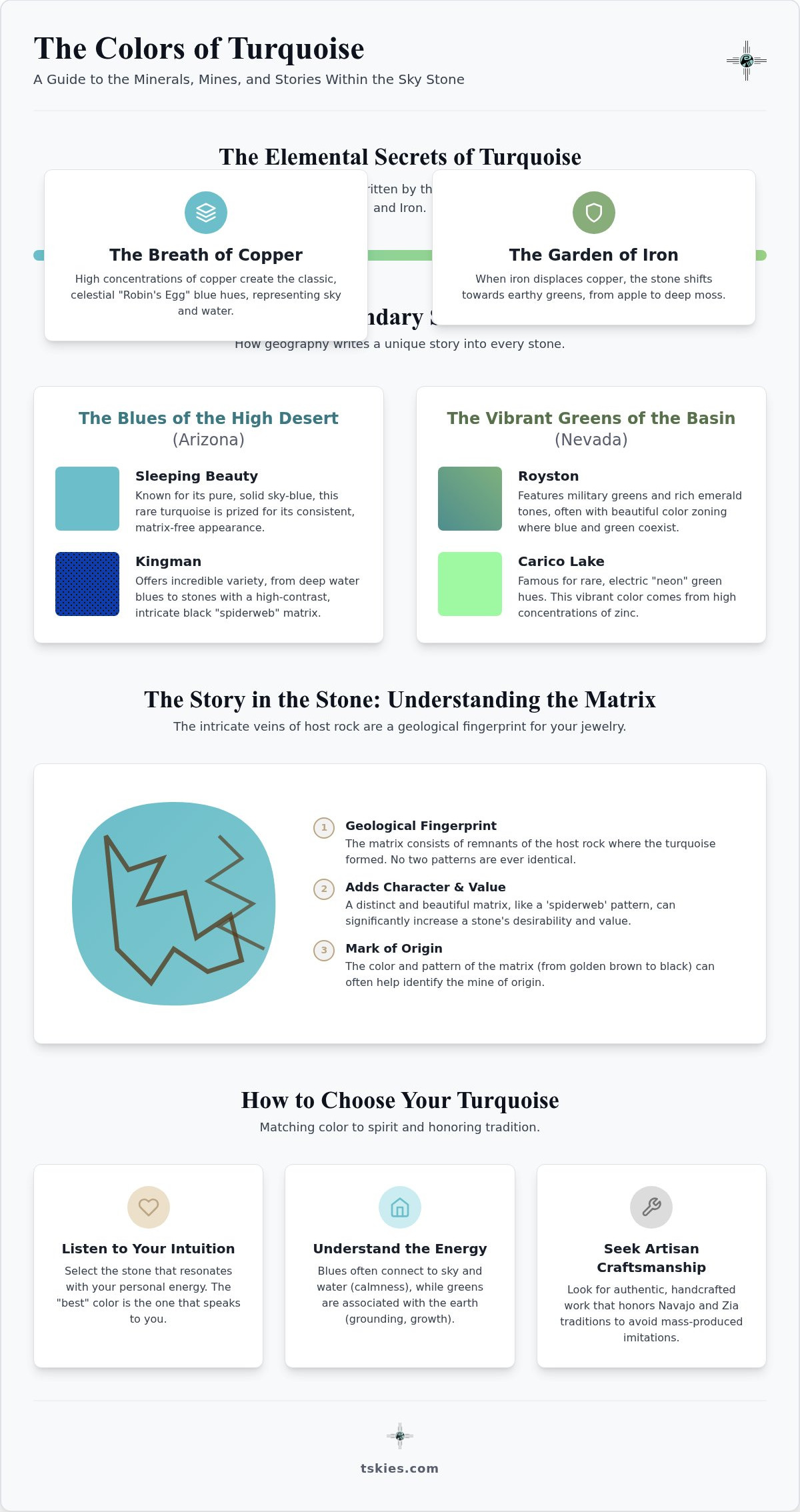
Copper is the primary artist behind the blue. When high concentrations of copper are present in the host rock, the stone takes on the iconic "Robin's Egg" hue. Sky Blue: a reflection of the infinite canopy above. These stones are often prized for their visual purity and luminous glow. They are rare. They are striking. In many indigenous cultures, these brilliant blues are sacred. They mirror the water that sustains life in arid lands. They represent the spirit of the heavens captured in solid form. A high-copper stone feels like a piece of the morning sky brought down to earth.
The Garden of Iron: When Turquoise Turns Green
Nature has a second, more grounded palette. When iron and aluminum begin to displace copper in the mineral's structure, the stone shifts its gaze. It turns toward the earth. You'll see shades of apple, lime, and dense forest green. These green colors of turquoise carry a different energy. They feel warm. They feel resilient. The earthy warmth of a moss-green stone tells of hidden springs and ancient growth. Some believe green stones are "immature" or somehow less than their blue counterparts. This isn't the case. Green turquoise is simply a different chapter of the same geological story. It's a garden in stone: a testament to the iron-rich soil that feeds the high desert.
From Sky to Earth: A Guide to Legendary Turquoise Mines
The earth has a memory. Every canyon and basin imprints its unique chemical signature into the stone, creating a distinct geological DNA. Geography dictates the colors of turquoise, determining whether a stone will mirror the high noon sky or the deep shade of a juniper tree. Collectors and silversmiths seek out legendary mines not just for beauty, but for heritage. A mine’s name is a mark of origin. Provenance is the sacred history of where a stone was birthed. It's the lineage of the land itself, passed from the mountain to the maker.
When you hold a piece of turquoise, you're holding the specific mineral composition of a single coordinate on the map. This connection to the source is why certain locations have achieved a near-mythic status in the Southwest. These mines are the birthplaces of the most iconic colors of turquoise known to the world. They provide the raw material for stories that have been told for generations through silver and stone.
Sleeping Beauty and Kingman: The Blues of the High Desert
Sleeping Beauty turquoise is the standard for purity. It offers a clean, solid sky-blue profile that feels almost celestial. The mine closed in 2012, making these stones rare treasures for collectors who value a consistent, matrix-free appearance. Kingman turquoise provides a different rhythm. It's known for its incredible variety, ranging from deep water blues to stones with high-contrast, intricate matrix. These blue varieties are the heartbeat of traditional Navajo silverwork. They represent a deep cultural connection to the water and the sky. When artisans evaluate turquoise quality factors, they look for this vibrancy and structural integrity that characterizes the Arizona mines.
Royston and Carico Lake: The Vibrant Greens of the Basin
The Nevada basins offer a different story. In the Royston district, you’ll find military greens and rich emerald tones that feel rooted in the soil. These stones often show beautiful color zoning where blue and green coexist in a single cabochon, creating a landscape within the gem. Carico Lake is famous for its rare neon green hues. This color comes from faustite, a zinc-rich mineral that gives the stone an electric, vibrant energy. Choosing a piece from these legendary locations allows you to carry a specific part of the desert's soul. If you feel called to these earthen treasures, exploring handcrafted turquoise jewelry can help you find a stone that speaks to your own journey.
The Story in the Stone: Understanding Matrix and Character
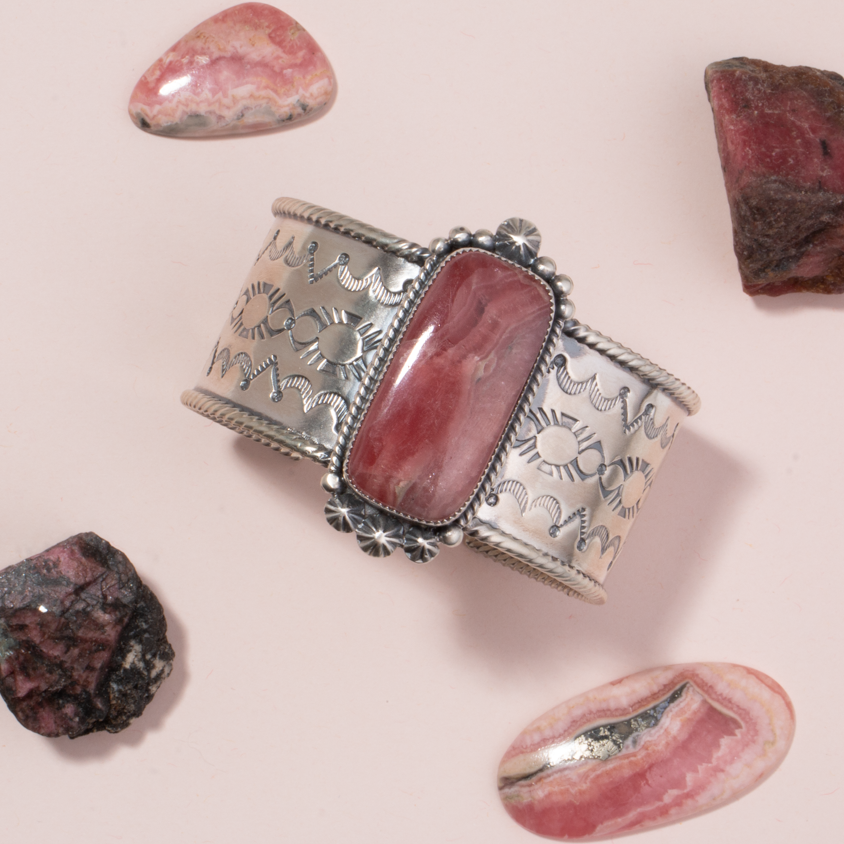
A stone is rarely a single, unbroken thought. It is a dialogue between minerals. We define "matrix" as the delicate veins of host rock-limonite, quartz, or iron pyrite-cradled within the gem. This matrix acts as a fingerprint. It ensures that no two pieces of jewelry are ever identical. While some seek the "clear" stone for its pure expanse of color, others are drawn to the "webbed" stone. These patterns represent a geological map of the earth’s movements. They offer an emotional resonance that a solid color cannot reach. It's the beauty of imperfection, a story of the pressure and time that birthed the colors of turquoise we cherish today.
Choosing between a clear or webbed stone is a matter of the soul. A clear stone is like a cloudless sky: vast, infinite, and serene. A stone rich with matrix is like the desert floor: complex, storied, and grounded. This character defines the visual "mood" of a piece. It tells the wearer where the stone has been and what it has endured. It is the physical manifestation of the earth’s resilience, held in a setting of sterling silver.
Spiderweb and Water Web: The Art of the Vein
Spiderweb matrix is a masterpiece of natural precision. Collectors covet these intricate, thin lines that create a fine lace across the surface of the stone. It's a testament to the delicate fractures in the host rock being filled by mineral deposits over eons. Then there's the "water web." This look is softer and more fluid. It mimics the appearance of light reflecting off a shallow desert pool. The color of these veins changes the "temperature" of the colors of turquoise. A black matrix feels sharp and cool. A gold matrix brings a sun-drenched warmth. A chocolate matrix offers a grounded, earthy comfort that anchors the stone to the landscape.
The High Contrast of Bisbee and Morenci
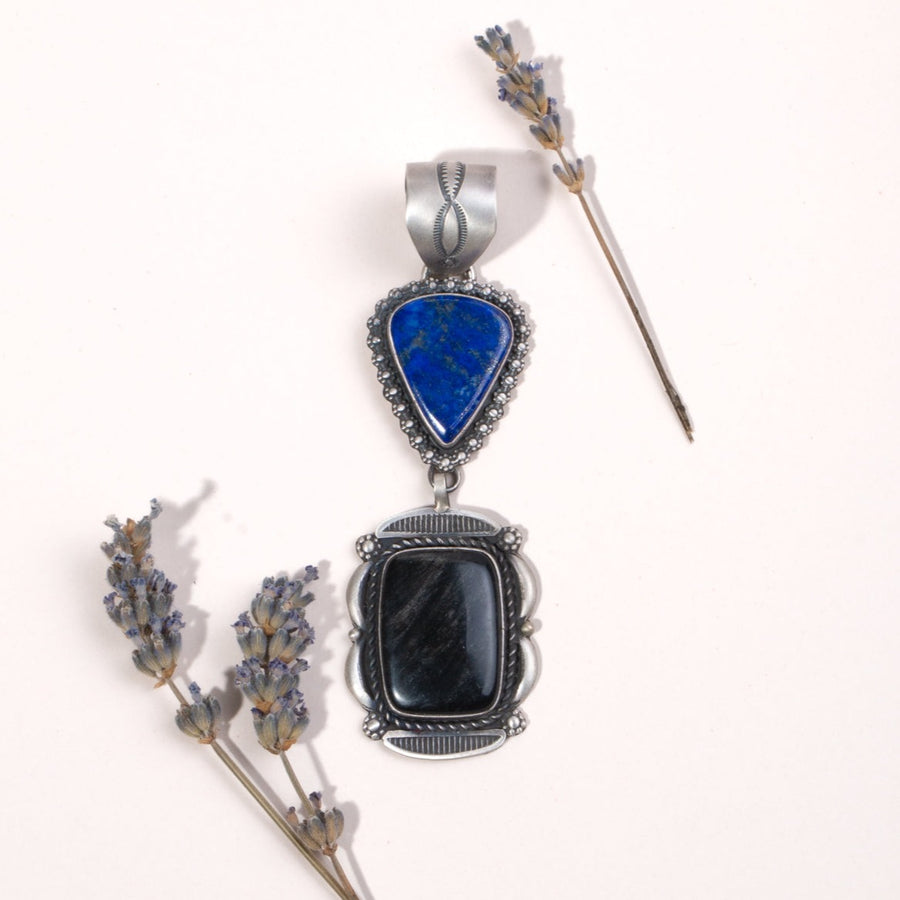
Some stones are known for their dramatic intensity. Bisbee turquoise is legendary for its "smoky" lavender-brown matrix. It creates a deep, mysterious character that is instantly recognizable to the trained eye. It's a stone that feels filled with the shadows of the canyon. Morenci turquoise offers a different kind of brilliance. It often features inclusions of iron pyrite, or fool’s gold. These metallic flecks add a shimmer that catches the light, giving the stone a celestial energy. Because these varieties possess such a heavy visual presence, they're best paired with the bold weight of heavy sterling silver. This combination honors both the strength of the mineral and the ancestral traditions of the craftsperson.
How to Choose Your Turquoise: Matching Color to Spirit
Choosing jewelry is a meditative act. It's a search for a piece that mirrors your own spirit. We encourage you to look beyond the surface and choose a stone based on intuition. The feeling it gives you is often more important than any technical spec. The colors of turquoise you are drawn to today might be exactly what your soul needs to feel balanced. A quiet pulse. A soft hum. Selecting your stone is a conversation between your spirit and the earth.
Consider how the stone interacts with your physical presence and your daily life. Vivid, high-contrast stones offer a modern aesthetic. They are sharp and intentional. Muted, earthy tones suggest a vintage, time-honored feel. They are ancestral and gentle. Bright, high-copper blues sing against cool skin tones and crisp whites. Deep, iron-rich greens provide a soulful harmony for warm complexions and earth-toned wardrobes. To truly understand a gem, you must step away from the shadows. Hold a stone in natural light to see its true soul; artificial light can never reveal the secret depths of the mineral.
The Versatility of Blue in Sterling Silver
Sky-blue stones are the classic choice for a reason. They serve as the anchor for bold Turquoise Rings and heavy Turquoise Bracelets. Against bright, polished sterling silver, blue turquoise has a cooling effect. It feels fresh. It feels expansive. We recommend these hues for those seeking a connection to clarity and open communication. These stones are the pulse of a statement piece, standing out with a celestial confidence that never fades. They are a reflection of the high desert sky at noon, captured forever in silver.
The Warmth of Green for Earth-Bound Styles
Green turquoise speaks to a different rhythm. These stones complement Bohemian and traditional Southwest styles with an organic grace. Deeper, iron-rich colors of turquoise carry a grounding energy. They feel like the high desert at dusk. If you prefer a time-worn, ancestral look, pair these green varieties with oxidized silver. The dark patina highlights the warmth of the stone, making it feel like a family heirloom passed through generations. If you're ready to find your own piece of the earth, you can browse our handcrafted turquoise jewelry to see which shade calls to your soul.
Adorning the Soul: Handcrafted Jewelry as a Vessel of Meaning
T.Skies Jewelry is more than a workshop. It's a sanctuary where the raw elements of the high desert find their voice through artisan hands. Here, stone and silver meet in a quiet, purposeful dance. We honor the deep tradition of authentic craftsmanship in every piece we bring to life. This isn't just about making jewelry. It's about preserving a cultural lineage. When you engage in a custom jewelry design, you aren't just selecting a stone. You're choosing your own "earth-song" color. You're finding the specific colors of turquoise that mirror your own journey and spirit.
Jewelry should be a reflection of the soul. It's a physical anchor for our stories and our values. We invite you to view these pieces not as simple products, but as legacies to be worn, loved, and eventually passed down. Each ring and pendant carries the weight of the land and the intention of the maker. It's a sacred connection. It's a way to keep the ancestral stories of the Southwest alive in the modern world. Every time you clasp a necklace or slide on a ring, you're participating in a tradition that spans centuries. It's an act of wearing the earth itself.
The Artisan’s Touch: Beyond Mass Production
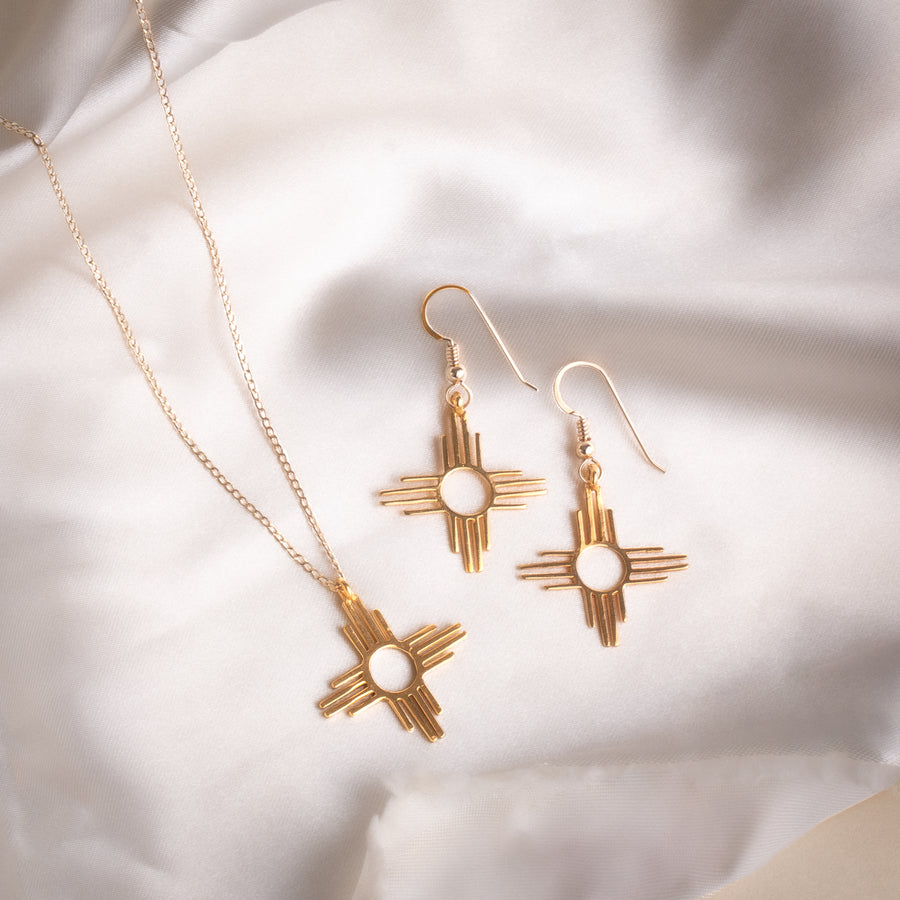
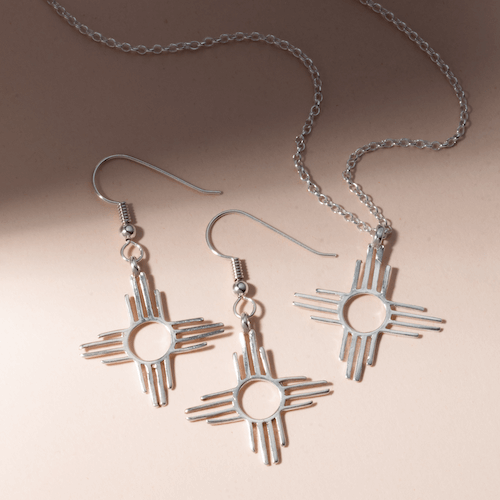
Mass production is silent. It doesn't listen to the stone. Handcrafted silverwork is the only way to truly honor the unique character and the shifting colors of turquoise. An artisan understands the nuances of the mineral. They know how to shape the silver to breathe with the stone. There's a profound spiritual intention that goes into every Zia pendant and turquoise ring we create. Each hammer strike is a prayer for the wearer’s well-being. Imported, mass-produced jewelry often feels cold and disconnected. It lacks the human touch. In contrast, artisan-made pieces carry a tangible warmth. They hold the energy of the silversmith and the history of the earth. This warmth is what makes a piece feel like it belongs to you.
Finding Your Legacy at T.Skies Jewelry
Our collection is curated with a deep, soulful reverence for the landscape. We're committed to using only authentic, high-quality turquoise sourced from reputable mines. We respect the source. We respect the hands that pull the stone from the ground. Every piece in our gallery is a tribute to the resilience of the desert and the beauty of traditional Navajo artistry. We don't just sell jewelry; we offer a way to connect with the elements. We offer a way to carry the spirit of the Southwest wherever you go. Your legacy starts with a single stone and a story that deserves to be told. It's time to find the piece that resonates with your own history.
Discover the Vibrant Colors of the T.Skies Jewelry Turquoise Collection
Listen to the Earth’s Song
The journey from the deep veins of the high desert to the jewelry resting against your skin is a story of elemental transformation. You now understand that the diverse colors of turquoise aren't mere variations in shade; they're a geological record of the minerals and water that shaped the Southwest. From the celestial blue of copper-rich deposits to the iron-warmed greens of the basin, every stone carries its own frequency. You've learned how the matrix acts as a fingerprint, ensuring your piece is the only one of its kind in existence.
This connection is best honored through the hands of master silversmiths. T.Skies Jewelry offers authentic Native American and Southwest artisan designs that treat every stone as a vessel of tradition. We use hand-selected premium turquoise stones to ensure your legacy is built on quality and truth. If you feel called to create something entirely unique, our T.Skies Jewelry bespoke custom jewelry design services are ready to bring your vision to life.
Shop Authentic Handcrafted Turquoise Jewelry
The earth has spoken through the stone. It's time to choose the piece that speaks back to you. Trust your intuition and let the desert’s soul guide your hand.
Frequently Asked Questions
What is the rarest color of turquoise?
The rarest colors of turquoise often include the deep, high-contrast spiderweb varieties found in the Lander Blue mine. This mine produced less than 110 pounds of total material, making its specific blue-black pattern legendary. Rare neon greens like those from Carico Lake are also highly coveted. These stones represent a tiny fraction of global deposits. They are prized by collectors for their scarcity and the specific geological conditions required for their birth.
Does turquoise change color over time?
Natural turquoise is a living, porous mineral. It can shift in hue over many years as it interacts with the elements. Exposure to skin oils, perfumes, or water can cause the stone to absorb these substances, often deepening a blue stone into a greener shade. This isn't a sign of a "fake" gem. It's a natural evolution of the stone’s life. Proper care and keeping the stone dry help preserve its original celestial vibrance for generations.
Is green turquoise more or less valuable than blue?
Value isn't determined by color alone. While vivid sky-blue has historically commanded higher market prices due to its rarity in mines like Sleeping Beauty, high-grade green turquoise is equally precious. Stones with exceptional hardness and intricate matrix patterns, such as those from the Royston or Damele mines, are highly sought after. Quality depends on the stone’s density and the story it tells. Every shade has its own market and its own unique spiritual weight.
How can I tell if the color of my turquoise is natural or dyed?
Genuine turquoise feels cool and heavy. You can identify dyed stones by looking closely at the matrix lines; dye often pools in the cracks, creating unnaturally dark veins. A common test involves wiping a small, hidden area with acetone on a cotton swab. If color comes off, the stone is treated. Authentic colors of turquoise are part of the stone’s structure. They don't sit on the surface. We recommend purchasing from trusted artisans who guarantee natural stones.
What does the "matrix" in a turquoise stone mean?
The matrix is the remains of the host rock where the turquoise formed. It appears as veins or blotches of brown, black, or gold. These inclusions are typically composed of minerals like limonite, quartz, or iron pyrite. Rather than being a flaw, the matrix is a geological fingerprint. It provides contrast and character. It tells the story of the mountain’s pressure. Collectors often prefer a "spiderweb" matrix for its intricate, lace-like beauty and connection to the earth.
Why is Sleeping Beauty turquoise so famous for its color?
This Arizona mine became world-famous for producing a consistent, matrix-free blue. It's often called "Robin's Egg" blue. The stone’s visual purity made it the gold standard for traditional silverwork and high-fashion jewelry alike. Since the mine closed in 2012, its stones have become rare legacy pieces. They are celebrated for their clarity and their ability to capture the unclouded light of the high desert sky. It remains a benchmark for turquoise quality across the globe.
Can turquoise be white or yellow?
Turquoise can appear in shades that defy the traditional blue-green spectrum. Yellow turquoise, often found in the Damele mine, gets its color from high concentrations of zinc and iron. While "White Buffalo" is a popular white stone often paired with turquoise, it is technically a different mineral called dolomite. True white turquoise is extremely soft and rare. These unique variations offer a different "earth-song" for those seeking a departure from the classic desert palette.
Which mine produces the darkest turquoise?
The Bisbee mine in Arizona is legendary for producing some of the darkest, most intense blues in the world. Often referred to as "Bisbee Blue," these stones possess a deep, oceanic hue that can border on purple. This darkness is frequently complemented by a smoky, chocolate-brown matrix. The combination creates a heavy, mysterious character. It's a stone of profound depth. These dark varieties are prized for their resilience and their striking presence when set in heavy sterling silver.


