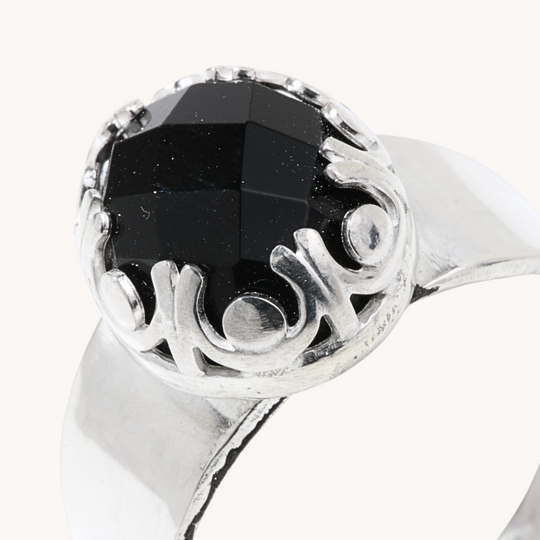
The Eternal Circle; The Symbolic Importance of Rings
Humans have adorned themselves with items from the natural world all throughout their history. Stones, precious metals, feathers, even bone have been the components of what we have come to call jewelry. Shaped in loops to wear in ears or necklaces worn around the neck, humans have loved jewelry for a long time. One of the most beloved types of adornment, and one of the most symbolic, is the ring.

Ancient Egyptians adorned their fingers with woven bands of materials such as reeds and papyrus. For them, the circle reflected the concept of eternity, a never-ending path that gave continuity to life. Even the hole in the middle of the band was symbolic, reflecting the idea that the wearer was a gateway to that eternity. Romans used sturdier material such as leather, iron, and bone to create their rings, believing also that the piece of jewelry symbolized a connection or a bond.

Rings had many historical uses. Signet rings were a sign of power, or a seal on business dealings. Impressions of such a ring done in wax authenticated legal papers, or the edict of a king. Rings such as these were often large, worn as part of a necklace or kept in safe environs until needed. Yet the shape remained as an eternal circle, as many of the bearers likely hoped their power would remain for all eternity.
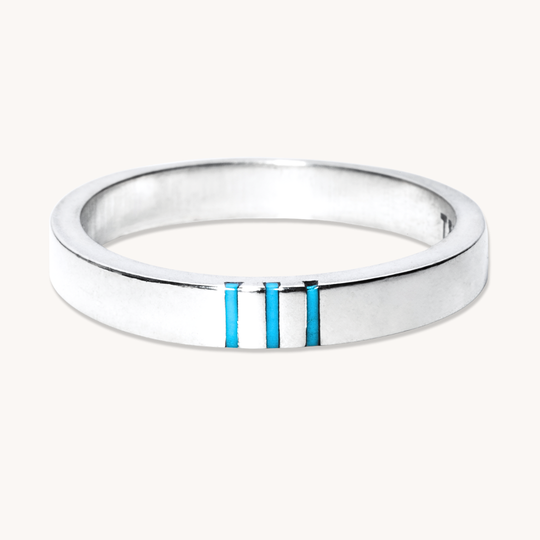
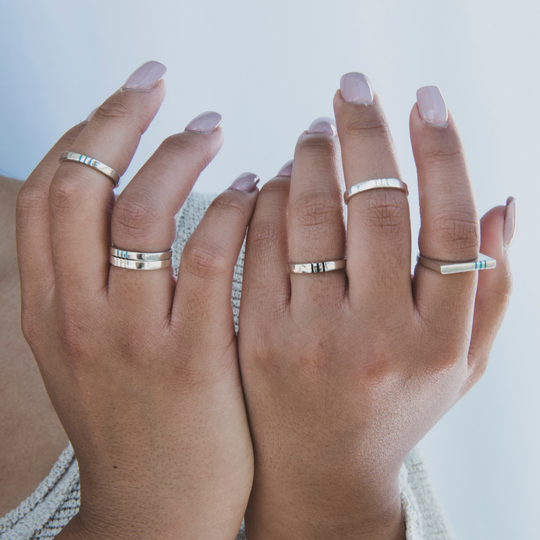
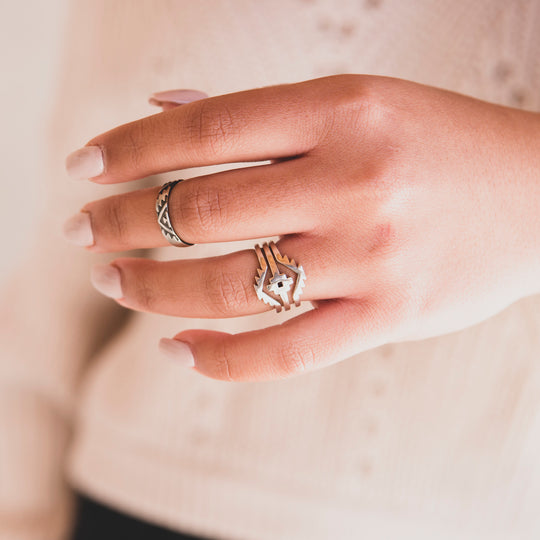
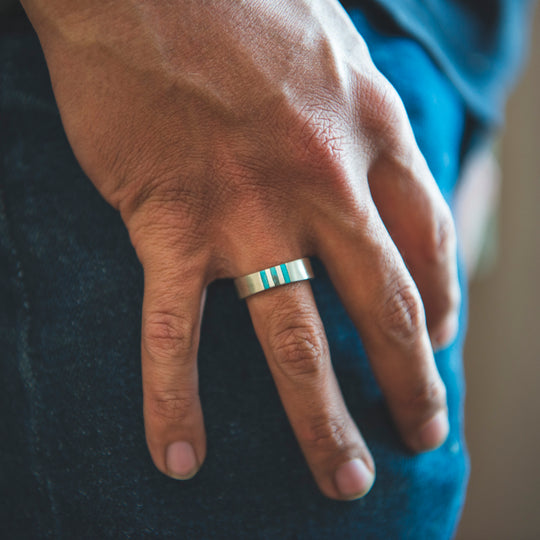
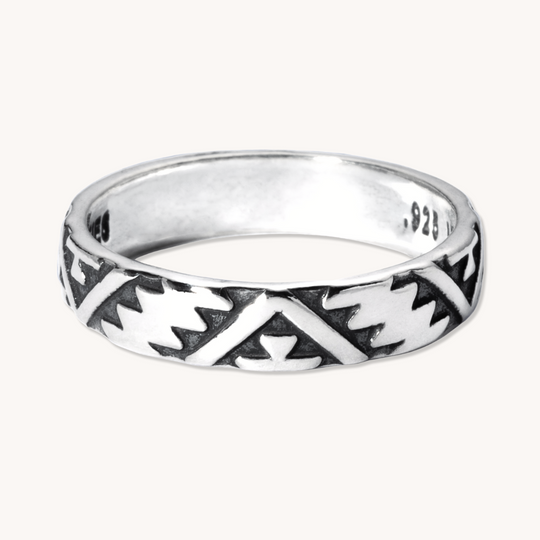
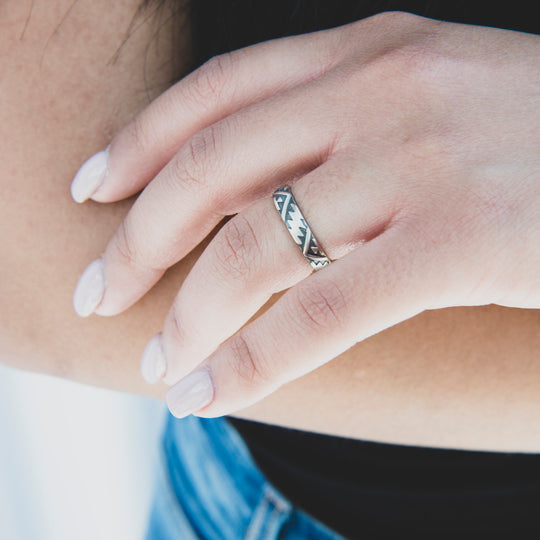
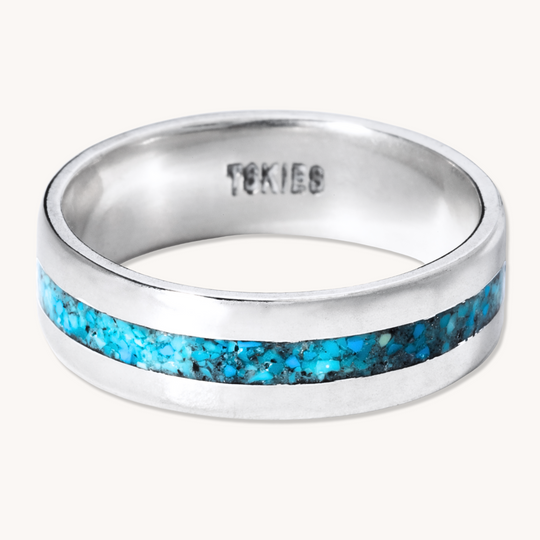
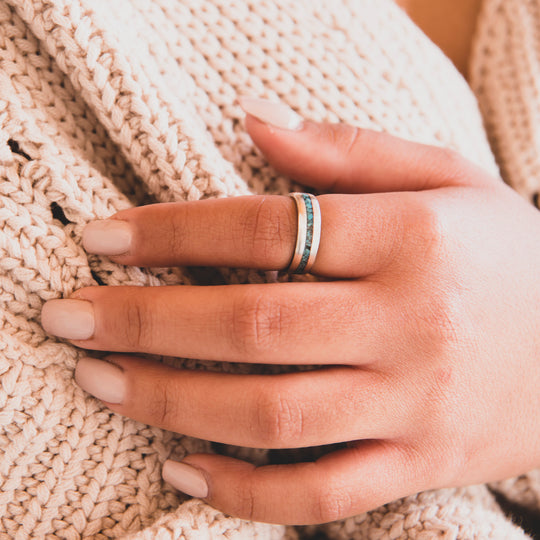
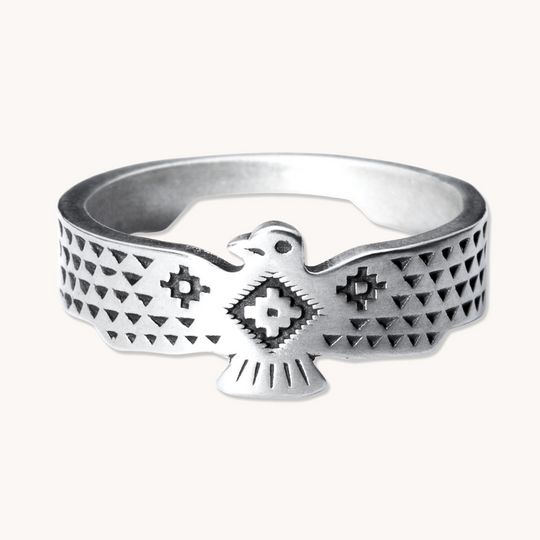
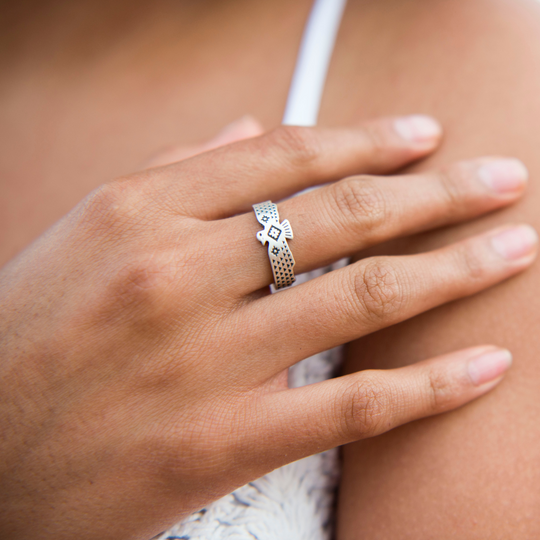
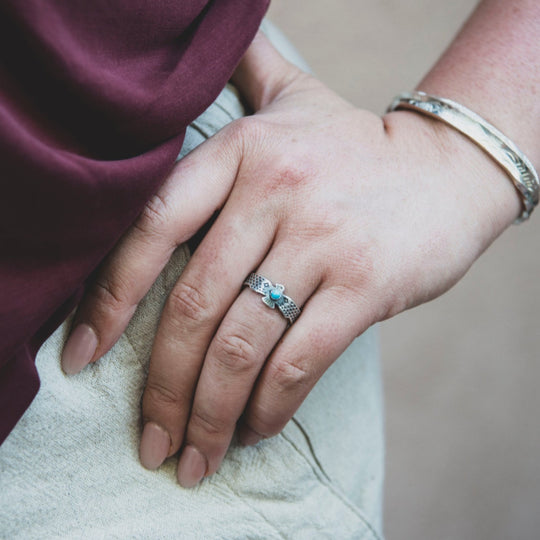
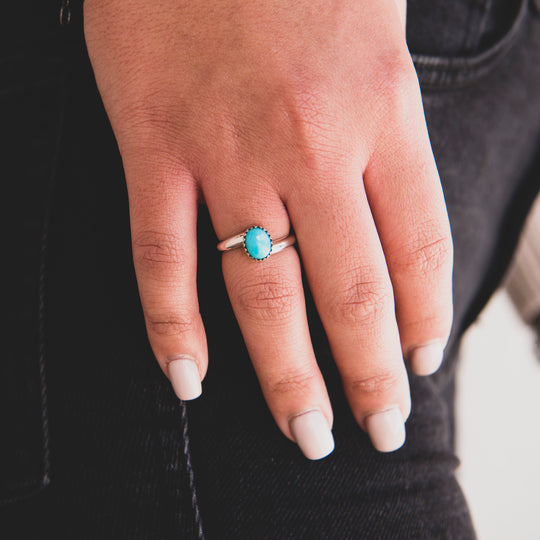
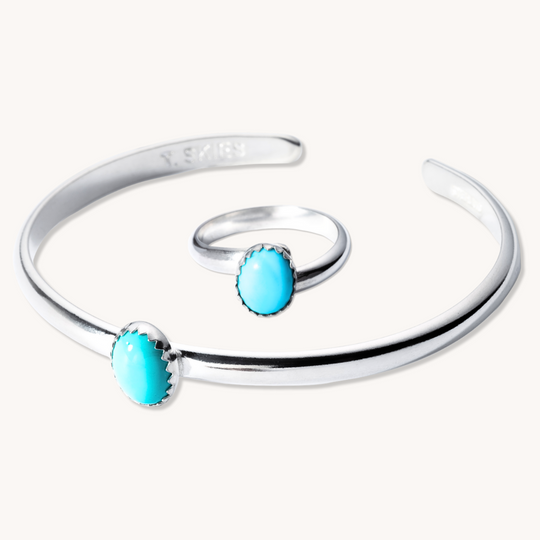
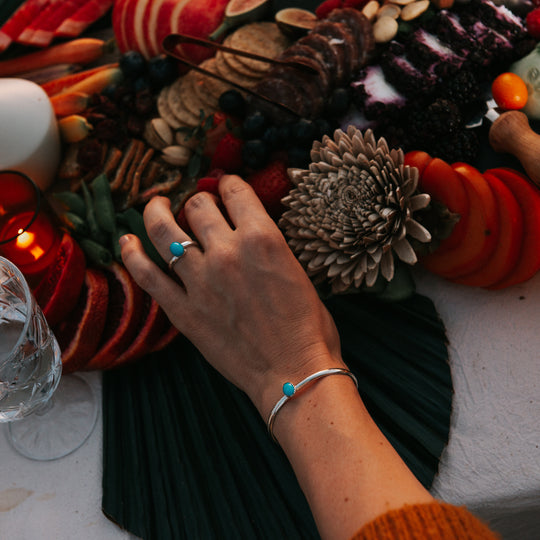
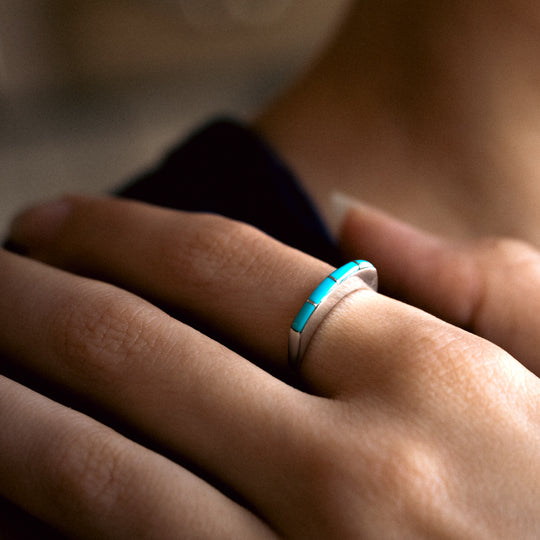
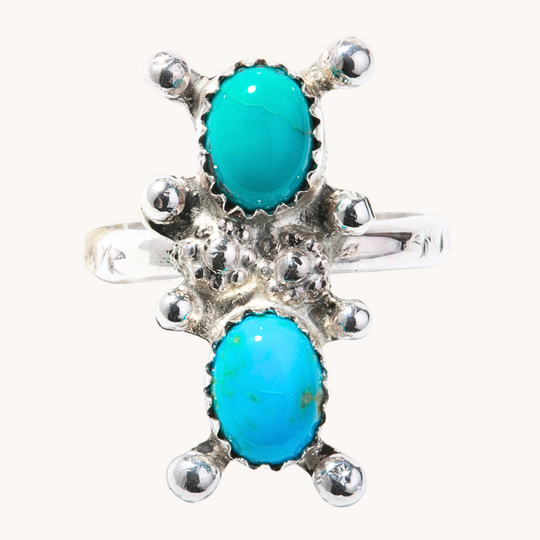
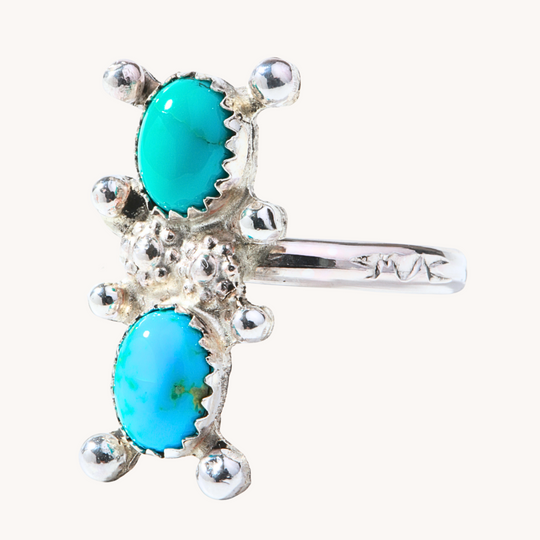
Today, rings still symbolize connections, albeit more personal ones. We give them on special birthdays, at weddings or as a gift of love to a parent. As signs of friendship and love, or as symbols of allegiance and loyalty, they remain a coveted adornment and a meaningful expression of deep, lasting feelings. Even in today’s modern society, rings symbolize a lasting covenant such as marriage, or a deep connection to family, as mother’s rings do. They reflect cultural ideas and beliefs, as Native American artists incorporate their traditional values in the pieces they create. Native American jewelry is not only adornment, it’s an expression of art that makes a fine addition to any collection.
As the holidays draw closer, many shoppers are wondering what gift would convey their deepest feelings to their loved ones. Why not look to history for the answer? A ring handcrafted by a true Native American artist will not only express your feelings but also offers the addition of a lasting family heirloom to your jewelry collection. It’s the perfect gift solution.

Resources:
http://www.oocities.org/robert_upci/the_history_of_rings_by_chalfant.htm
http://library.acropolis.org/the-symbolism-of-the-ring/
https://www.jenshansen.com/blogs/news/10698097-the-ring-as-a-symbol-what-does-it-mean-to-you
From the Library: Franciscan Fathers, An Ethnologic Dictionary of the Navaho Language (1910)
1910 primary source. Anything described as current here describes 1910, not today.
Writing in 1910, the Franciscan Fathers found finger rings among the most worn Navajo jewelry:
“Finger rings are, perhaps, more in use than bracelets, and their variety as to size, form and design is astonishing. Like the Navaho blanket, no two rings seem to be exactly alike.”
— Franciscan Fathers (1910), p. 283 [1]
They also described stone settings as new in 1910:
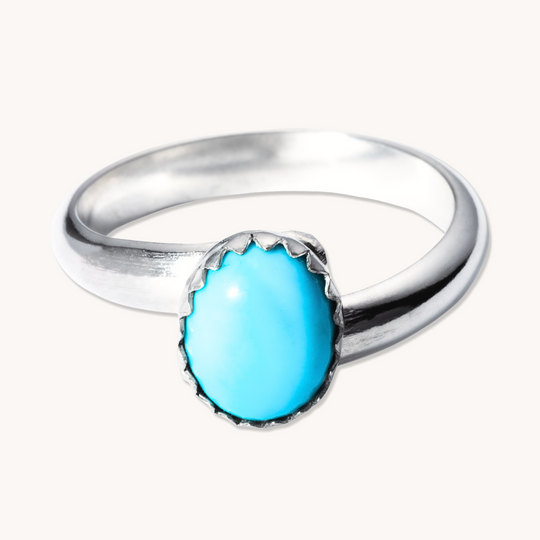
“Rings, belts, bracelets and pendants are often set with turquoise, garnets, peridots and other stones, and with glass. This, too, is a comparatively recent innovation.”
— Franciscan Fathers (1910), p. 284 [1]
Sources
- Franciscan Fathers. An Ethnologic Dictionary of the Navaho Language. Saint Michaels, Arizona: The Franciscan Fathers, 1910. Public domain (U.S. publication before 1931). Cited by printed page. Statements describe conditions as of 1910.